Precision Tubes for Hydraulic Cylinders: ID, Straightness and Surface Requirements
News Details
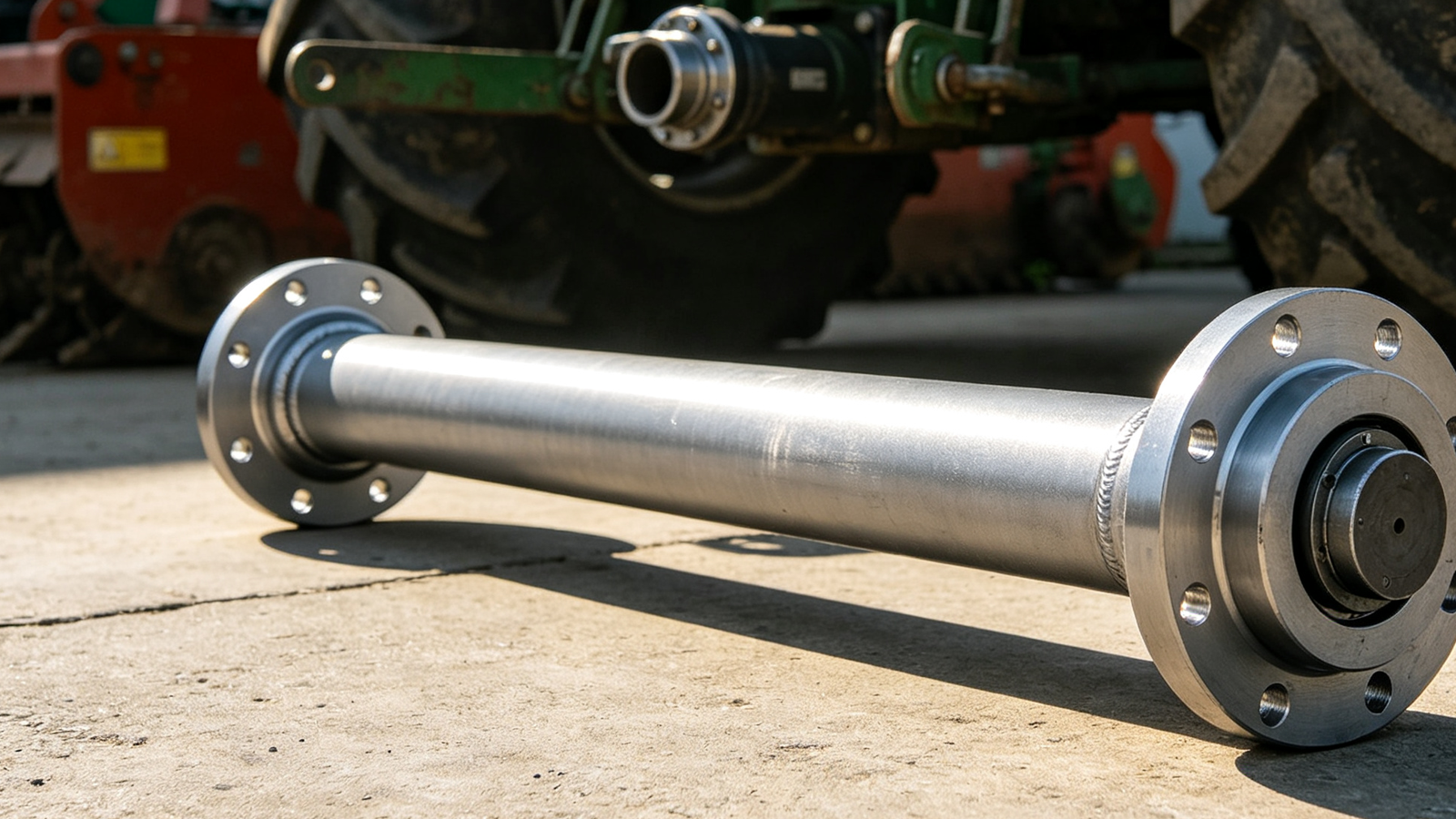
Hydraulic cylinders power modern heavy machinery, construction equipment, and industrial systems. To handle high pressures and repeated cycles, these systems need internal components built to exact standards. The quality of a hydraulic cylinder precision tube directly determines how smoothly a piston moves, how long seals last, and whether liquid leaks under heavy loads.
If a tube suffers from rough internal walls or poor straightness, internal seals wear down fast. This leads to pressure drops and unexpected equipment downtime. In this guide, we break down the three most critical quality markers for cylinder tubing: Inner Diameter (ID) control, straightness, and surface finish.
The Role of Inner Diameter and OD Tolerance
A hydraulic cylinder works by trapping fluid behind a moving piston. Therefore, the inner diameter of the tube must remain uniform along its entire length.
Why Tight ID OD Tolerance Matters
When manufacturing a seamless honed tube, maintaining strict ID OD tolerance prevents fluid bypass. If the inner diameter varies even slightly:
-
Seal Wear Increases: Seals must expand and contract constantly to match changing internal widths. This causes rapid seal breakdown.
-
Pressure Loss Occurs: High-pressure fluid sneaks past worn piston seals, lowering lifting capacity.
-
Piston Slap & Noise: Loose tolerances allow sideways piston movement, creating internal noise and structural vibration.
Quality tube makers use precision cold drawing followed by honing or skiving to keep inner diameter tolerances within tight bounds, often matching ISO H8 or H9 standards.
Surface Roughness: Protecting Seals and Reducing Friction
The inside wall of a hydraulic tube acts as a bearing surface for high-pressure seals. As a result, surface roughness is a key factor in fluid power design.
Measuring Surface Quality
Surface texture is usually measured as Ra (micro-meters or micro-inches). For standard hydraulic applications, the inner surface should achieve an Ra value between 0.2 µm and 0.4 µm.
Why Surface Finish Drives System Life
-
Prevents Oil Film Breakdown: A surface that is too smooth cannot hold a microscopic lubricating film. This leads to dry metal-on-metal friction.
-
Prevents Seal Abrasion: A surface that is too rough acts like sandpaper against rubber or polyurethane seals.
-
Improves Sealing Performance: A balanced honed surface allows seals to slide freely while maintaining a tight fluid seal under pressure.
Through precise honing or roller burnishing, manufacturers create microscopic cross-hatch patterns. These tiny grooves hold oil properly, reducing friction and extending seal life.
Straightness: Preventing Binding and Bending
Even if a tube has a perfect inner surface, poor straightness will ruin a hydraulic assembly. Cylinder tubes must stay straight under high pressure and heavy pushing forces.
Standard Straightness Tolerances
For high-performance hydraulic cylinders, straightness deviation should not exceed 0.5 mm per meter (1:2000). For long-stroke cylinders, even tighter rules like 0.2 mm per meter apply.
What Happens When Tubes Bend?
-
Uneven Wear: A bent tube forces the piston head against one side of the cylinder wall.
-
Piston Rod Jamming: Misalignment increases friction and can cause the rod to stick during extension or retraction.
-
Structural Fatigue: Bending forces create high stress points along the tube wall, increasing the risk of cracking under load spikes.
How Precision Tubes Are Manufactured
Creating a reliable hydraulic cylinder precision tube requires careful control across multiple processing steps:
-
Cold Drawing: Raw seamless steel pipes pass through dies to establish target wall thickness and baseline dimensions.
-
Stress Relieving: Heat treatment removes internal stress caused during cold working, ensuring the tube stays straight during final machining.
-
Honing or Skiving: Rotary honing stones or skiving tools carve out a smooth, round inner bore while setting the required surface roughness.
-
Final Inspection: Ultrasonic testing, air gauging, and optical measurements verify wall thickness, inner diameter, and straightness before shipment.
Key Materials Used in Hydraulic Tubing
Choosing the right steel grade ensures your cylinder handles operating pressures safely:
-
20# / ST52 / E355: Highly popular choices for standard industrial and agricultural hydraulic cylinders due to excellent weldability and strength.
-
45# / 1045: Chosen for heavy-duty applications needing higher yield strength and wear resistance.
-
Q355B: A versatile low-alloy steel providing strong mechanical performance in cold working conditions.
Partnering with FAKESI for Hydraulic Tubing Solutions
When sourcing seamless honed tube inventory or custom cylinder barrels, choosing an experienced manufacturer prevents costly line shutdowns. FAKESI (a brand of Wuxi Jiangbo Intelligent Technology Co., Ltd.) delivers high-precision seamless steel tubes designed for demanding hydraulic and mechanical uses.
Operating from a modern 20,000-square-meter facility with over 30 years of expertise, FAKESI produces precision tubing with tight dimensional tolerances down to ±0.1 mm. FAKESI supports equipment manufacturers across Europe, North America, and Asia with durable tubing solutions for hydraulic systems, agricultural machinery, and automotive drive shafts.
Summary
Designing efficient hydraulic systems requires careful attention to component quality. By choosing a hydraulic cylinder precision tube with tight ID OD tolerance, low surface roughness, and strict straightness control, you protect internal seals and ensure long service life.
Looking for reliable precision steel tubes for your next cylinder design?Contact the engineering team at FAKESI to discuss your technical requirements and request sample tubing.


