Cold-Drawn Special-Shaped Tubes: Benefits, Limits and Design Rules
News Details
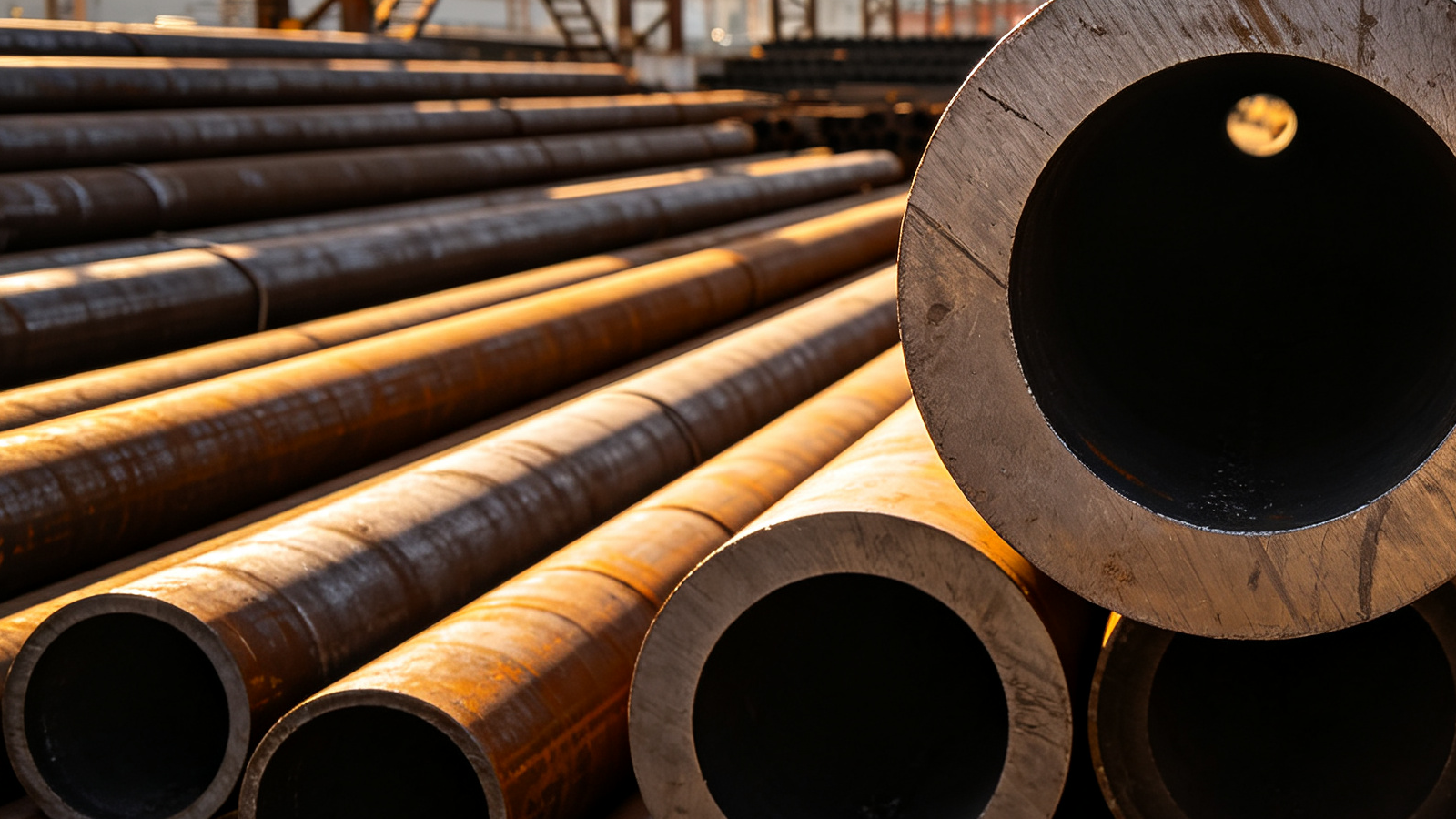
In modern equipment manufacturing, engineers always look for ways to cut weight and lower costs without losing strength. Standard round pipes work well for simple tasks. However, complex machinery often needs custom shapes. This is where a cold drawn shaped steel tube becomes the best choice.
By using custom profiles, engineering teams can build lighter and stronger components. As an experienced profile steel tube manufacturer, FFAKESI helps companies move from heavy, solid bars to smart tubing profiles. In this guide, we will explore the benefits, real limits, and key design rules for special-shaped steel tubes.
What is a Cold-Drawn Special-Shaped Tube?
A cold-drawn special-shaped tube is a steel pipe with a non-round cross-section. These shapes include hexagons, squares, ovals, triangles, and lemon shapes.
To create these shapes, room-temperature steel tube blanks are pulled through custom dies. This cold drawing process changes the grain structure of the steel. As a result, the steel becomes stronger, smooth on the surface, and accurate in its measurements.
Because the final tube closely matches the required final part shape, it acts as a near net shape steel tube. This means you need far less machining later on.
Core Benefits of Using Special-Shaped Steel Tubes
Switching from solid bars or standard round tubes to profile steel tubing offers clear operational advantages:
-
Material Savings: A near net shape steel tube keeps steel only where it is needed. This removes unnecessary internal weight while keeping high strength.
-
Reduced Machining Time: Since the tube already has the target profile, your machine shop spends less time cutting, milling, or drilling away excess metal.
-
Higher Yield and Tensile Strength: Cold drawing hardens the metal naturally. This process boosts yield strength and fatigue resistance compared to hot-rolled steel.
-
Smooth Surface Finish: Cold-drawn tubes have clean surfaces with low roughness. This makes them ready for painting, plating, or assembly right away.
-
Tight Tolerances: Precision dies ensure strict dimensional control. This guarantees consistent fit for moving parts, drive shafts, and telescopic mechanisms.
Manufacturing Limits to Keep in Mind
While cold-drawn special-shaped tubes offer great advantages, the cold drawing process also has physical boundaries. Understanding these limits prevents costly redesigns:
-
Wall Thickness Limits: Extreme changes in wall thickness across the same cross-section are hard to pull evenly. Keep wall thickness as uniform as possible.
-
Corner Radius Restrictions: Perfectly sharp outside corners create high stress on the drawing die. Always design small radiuses on corners to prevent cracks and die failure.
-
Symmetrical Constraints: Highly asymmetrical shapes can twist or bow during the drawing and stress-relieving stages. Symmetrical designs drawn far more smoothly.
-
Minimum Tooling Quantities: Custom die production requires upfront tooling costs. Custom profiles work best for medium to high-volume production runs.
Key Design Rules for Engineers
To get the best performance from a profile steel tube manufacturer, follow these practical design rules during your initial project planning:
1. Maintain Consistent Wall Thickness
Try to keep the wall thickness equal around the entire shape. If your design requires a thick side and a thin side, create a smooth transition between them.
2. Avoid Sharp Internal and External Angles
Always add a radius to inside and outside corners. A minimum corner radius equal to the wall thickness helps steel flow smoothly through the die.
3. Choose the Right Steel Grade
Select steel grades that cold-work well. Common options include 10#, 20#, 45#, and Q355B. These grades balance yield strength with ductility during drawing.
4. Plan for Post-Drawing Heat Treatment
Cold drawing increases hardness but reduces ductility. If your final part requires bending, flaring, or welding, request normalized or stress-relieved heat treatment from your supplier.
5. Work with Your Manufacturer Early
Involve your supplier early in the design phase. A quick engineering check can identify tight spots in tolerances before die creation begins.
Common Applications Across Industries
Cold-drawn special-shaped tubes power critical machinery across global industries:
-
Agricultural Equipment: Power take-off (PTO) shafts, lemon-shaped drive tubes, and implement frames.
-
Automotive & Transport: Steering columns, drive shafts, seat frames, and structural side beams.
-
Industrial Machinery: Telescopic booms, hydraulic guide rails, and linear motion tracks.
-
Textile & Furniture Frames: Lightweight geometric frames, support rollers, and precision racks.
Why Partner with FAKESI?
Choosing the right manufacturing partner is key to a successful custom tubing project. FAKESI (a brand of Wuxi Jiangbo Intelligent Technology Co., Ltd.) brings over 30 years of industry experience to high-precision steel tubing projects.
Operating from a 20,000-square-meter facility, FFAKESI manufactures high-quality seamless, precision, and custom-shaped steel tubes. With strict tolerance control down to ±0.1 mm, FAKESI supports customers in automotive, agricultural, and general machinery sectors worldwide.
Whether you need hexagonal tubes, lemon-shaped profiles, or custom near net shape steel tubes, FAKESI delivers tailored solutions that lower total manufacturing costs.
Conclusion
Cold-drawn special-shaped tubes give engineers a smart way to lower weight, cut machining costs, and improve part performance. By following basic design rules and respecting process limits, design teams can create highly efficient parts.
Ready to streamline your production with custom cold drawn shaped steel tube profiles?Contact the technical team at FAKESIto review your drawings and start your next project.


