Steel Tube RFQ Checklist: 18 Data Points That Prevent Quote Delays
News Details
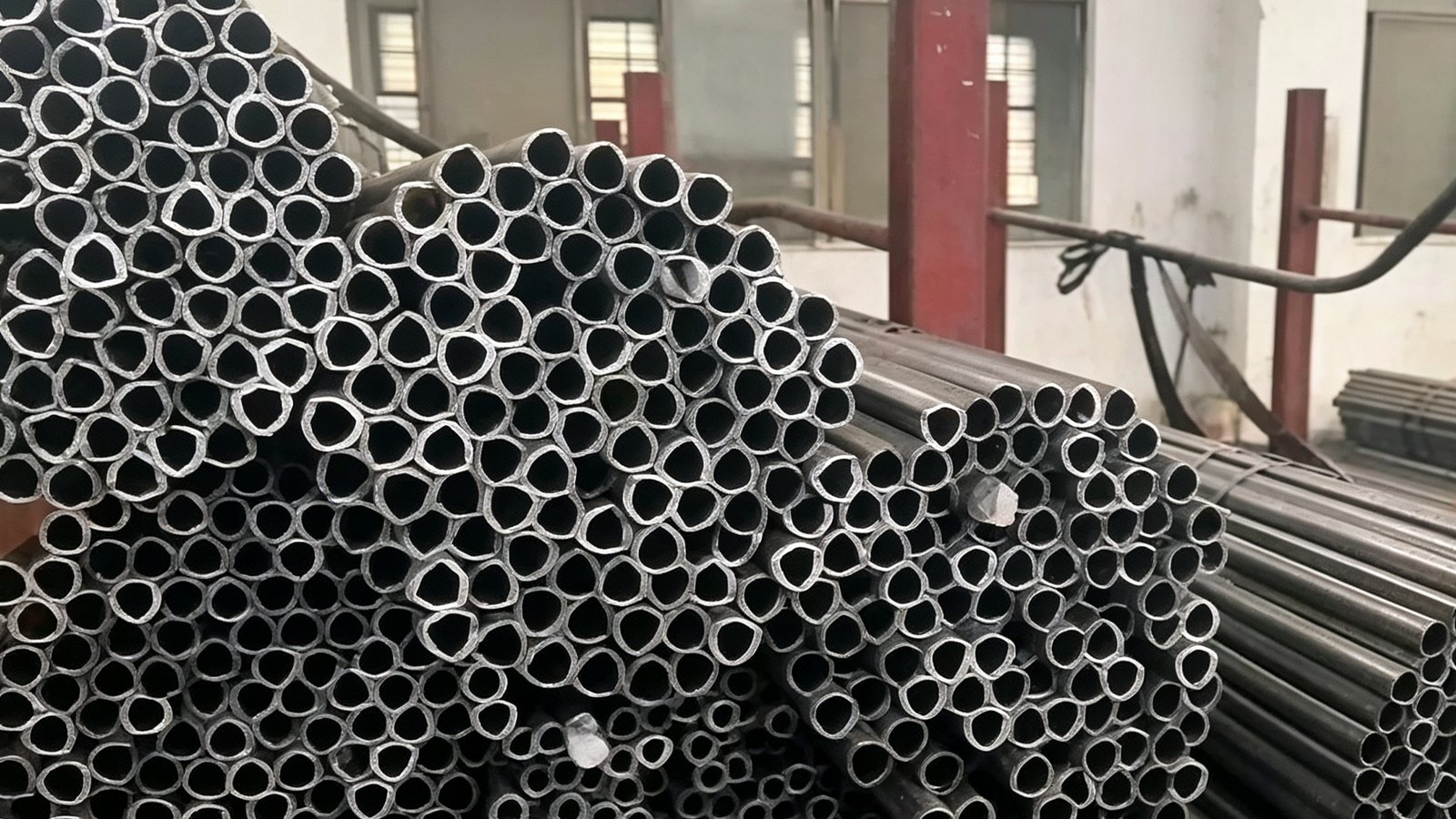
Requesting a price for industrial metal tubing often feels simple on the surface. Yet, procurement teams and design engineers frequently face frustrating back-and-forth emails, missed project deadlines, or inaccurate pricing estimates. Most quotation delays occur because the initial Request for Quotation (RFQ) lacks critical engineering or commercial details. When an estimator receives a vague request, they must pause the process to ask clarifying questions before they can calculate exact material costs and mill production times.
By preparing a comprehensive RFQ upfront, you help suppliers process your request immediately. Whether you need standard seamless pipes or a complex custom steel tube quotation, submitting complete information ensures fast, competitive, and accurate quotes.
This 18-point RFQ checklist covers every detail required by manufacturing engineering teams and mill sales desks to quote your project without delay.
1. Primary Physical Dimensions
Exact dimensional values form the foundation of any steel tube inquiry. Without precise measurements, mills cannot calculate tube weight, raw material requirements, or bench setup needs.
-
1. Outer Diameter (OD): State the target OD clearly along with the specific measurement units (inches or millimeters).
-
2. Wall Thickness (WT) or Schedule: Specify nominal wall thickness, minimum wall thickness, or standard pipe schedule numbers (such as SCH 40 or SCH 80).
-
3. Inner Diameter (ID): For honed tubes, hydraulic cylinders, or telescoping applications, the internal clearance is vital. Indicate whether the inner diameter or outer diameter takes priority during cold drawing.
-
4. Tube Length and Cut Style: Detail the cut length per piece. State whether you accept random mill lengths (such as 5 to 7 meters) or require exact fixed lengths with precise facing and deburring.
2. Material and Metallurgy Specifications
Proper steel tube material grade selection ensures your finished component withstands operational stress, working pressure, and harsh environments while remaining cost-effective.
-
5. Steel Grade and Alloy Standard: State the required material grade, such as carbon steel grades (10#, 20#, 45#, Q235B, Q355B) or alloy steels (20Cr, 40Cr, 16Mn). Always cross-reference national standards like ASTM, DIN, EN, or GB.
-
6. Manufacturing Process Type: Specify if your design calls for seamless round pipe, cold drawn seamless pipe, or welded tubing. Seamless tubing offers uniform strength for high-pressure systems, whereas welded tubing provides economical benefits for structural uses.
-
7. Heat Treatment Conditions: Clarify necessary thermal treatments, such as normalized (NBK), annealed (GBK), stress-relieved (SR), or quenched and tempered (QT). Heat treatments drastically affect mechanical strength, ductility, and machinability.
3. Dimensional Tolerances and Cross-Section Profiles
Standard commercial tolerances often fall short for precision machinery and automotive drive shafts. Clearly defining your cross-section requirements prevents unnecessary manufacturing costs.
-
8. Tolerance Limits: Define acceptable variance limits for outer diameter, wall thickness, and straightness. Precision cold-drawn lines at specialist manufacturers like FAKESI (Wuxi Jiangbo Intelligent Technology Co., Ltd.) maintain tight tolerances down to ±0.1 mm for demanding applications.
-
9. Profile Geometry (Round vs. Special-Shaped): Specify if you need standard round tubing or custom profile sections. Specialized profiles—such as hexagonal, square, rectangular, triangular, oval, or star-shaped tubes—require custom die sets and tooling setups.
4. Quality Control, Certification, and Testing
Quality testing protocols protect your team from unexpected material failures. Setting these requirements upfront avoids costly post-production inspection fees.
-
10. Mill Test Certificate Requirements: Always request a formal mill test certificate compliant with EN 10204 3.1 or 3.2 standards. This document verifies real chemical composition, tensile strength, yield points, and elongation stats.
-
11. Non-Destructive Testing (NDT): Note if your application mandates ultrasonic testing (UT), eddy current testing (ET), or hydrostatic pressure testing to detect hidden internal defects.
-
12. Surface Quality and Inspection Standards: List key visual expectations, such as smooth surface finishes, max roughness values (Ra), or strict scratch and seam limits.
5. Secondary Operations and Surface Protection
If you need ready-to-assemble parts, adding value-added services directly into your initial RFQ helps streamline your entire supply chain.
-
13. End Finishes and Machining: Specify plain square ends, beveling for welding, threading, chamfering, or custom CNC end machining.
-
14. Surface Coating and Anti-Corrosion: Detail required protective coatings, including light anti-rust oil application, black painting, hot-dip galvanizing, or plastic caps to shield pipe ends during ocean freight shipment.
6. Commercial and Delivery Terms
Commercial parameters dictate production planning, shipping schedules, and total landed costs. Providing realistic volumes helps mills offer lower bulk pricing tiers.
-
15. Order Volume and Delivery Schedule: List the total linear meters, piece count, or total weight in metric tons. Distinguish between an immediate spot order and an annual blanket purchase agreement.
-
16. Target Delivery Date: State your expected arrival timeline at the destination port or job site.
-
17. Incoterms and Delivery Location: Clearly identify your preferred delivery terms (such as FOB Shanghai, CIF Hamburg, or DDP Los Angeles) so logistics teams can calculate shipping rates accurately.
-
18. Packaging and Shipping Specifications: Request specialized bundling, seaworthy wooden box packing, or plastic container packaging to protect precision surfaces from moisture and transport damage.
Why Precise Specifications Drive Better Pricing
When an engineering mill receives an RFQ with missing parameters, estimators naturally build safety margins into their price estimates to cover unknown risks. Conversely, a clean, complete inquiry signals professional buyer readiness.
Using this 18-point checklist reduces quote turnaround times from several days to just a few hours. By making precise steel tube material grade selection clear, defining strict tolerances, and requiring an official mill test certificate, you establish a direct path toward an accurate custom steel tube quotation.
For high-precision seamless steel pipes, cold-drawn tubes, and specialized non-round steel profiles tailored to your exact project needs, send your detailed RFQ checklist directly to the production specialists at FAKESI (Wuxi Jiangbo Intelligent Technology Co., Ltd.) through our website.


