Precision Steel Tube Manufacturer Guide: Tolerance, Surface and Documentation
News Details
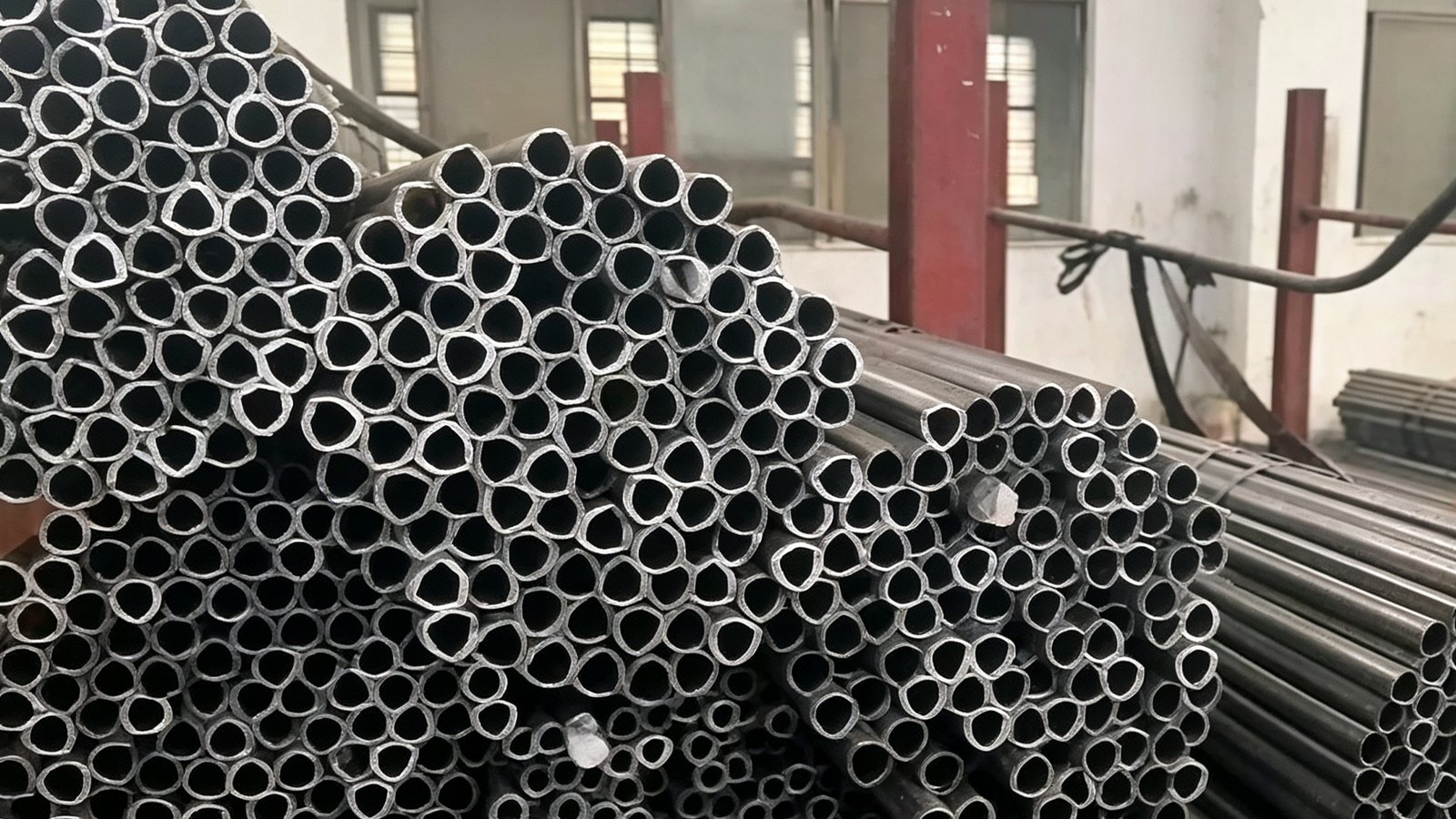
Industrial equipment manufacturers face constant pressure to improve machinery performance while lowering operational costs. Whether you produce hydraulic cylinders, automotive drivelines, or agricultural power take-off (PTO) assemblies, the structural integrity of your raw materials directly dictates product quality. Selecting the wrong tubular steel can lead to assembly line jams, premature wear, and unexpected field failures.
A dependable precision steel tube manufacturer does far more than melt and shape metal. High-performance manufacturing requires exact dimensional control, pristine surface finishing, and full material traceability.
This guide breaks down the technical criteria B2B buyers must evaluate when sourcing cold-drawn tubular products from a trusted steel pipe manufacturer China like FAKESI.
1. Understanding Dimensional Tolerances in Cold-Drawn Tubing
Standard hot-rolled pipes often display wide dimensional variations that require expensive secondary machining before assembly. In contrast, precision cold-drawn tubing delivers exact measurements directly from the factory floor, significantly reducing your manufacturing costs.
Outside Diameter and Inside Diameter Control
Dimensional consistency on the inner and outer surfaces is vital for telescoping components, such as PTO shaft tubing. When two tubes must slide inside one another smoothly, inconsistent wall thickness or uneven diameters cause binding and excessive mechanical play.
Wall Thickness Uniformity and Concentricity
Concentricity defines how evenly wall thickness is distributed around the center of the tube. Poor concentricity creates thin spots along the wall, making the tube vulnerable to cracking under high rotational torque or internal hydraulic pressure.
An established cold drawn steel tube manufacturer like FAKESI utilizes precision multi-pass drawing dies to maintain strict tolerances:
| Parameter | Standard Hot-Rolled Pipe | FAKESI Precision Cold-Drawn Tube |
| Outer Diameter (OD) Tolerance | +/- 0.5 mm to +/- 1.2 mm | +/- 0.05 mm to +/- 0.1 mm |
| Inner Diameter (ID) Tolerance | +/- 0.5 mm to +/- 1.0 mm | +/- 0.05 mm to +/- 0.1 mm |
| Wall Thickness (WT) Variation | Up to +/- 12.5% | Within +/- 5% to +/- 7.5% |
| Straightness Deviation | 1.5 mm per meter | 0.5 mm to 1.0 mm per meter |
Working with a certified tight tolerance steel tube supplier eliminates time-consuming re-machining steps, letting you take raw tubing directly to final assembly.
2. Surface Finish Quality and Structural Longevity
Dimensional accuracy ensures parts fit together correctly, but surface roughness determines how well those parts resist wear, friction, and environmental corrosion over time.
Surface Roughness Standards
Surface finish is typically measured in micro-meters Ra. Internal pits, scratches, or scale build-up create friction, damage rubber hydraulic seals, and accelerate mechanical wear during rapid rotation.
-
Standard Commercial Finish (Ra 1.6 um - 3.2 um): Suitable for general structural framing where moving parts do not interact directly.
-
Precision Cold-Drawn Finish (Ra 0.4 um - 0.8 um): Essential for telescoping drive shafts, reducing friction and extending seal life.
-
Honed or Skived Finish (Ra < 0.2 um): Required for high-pressure hydraulic cylinders operating under continuous duty.
Surface Defect Elimination
Cold drawing pulls the steel tube through a polished tungsten carbide die at room temperature. This process smooths out surface imperfections and work-hardens the outer layer, boosting surface durability and increasing resistance to micro-cracking under heavy shock loads.
3. Mandatory Quality Documentation and Mill Test Certificates
A clean finish and tight dimensions are meaningless if the core metallurgy is flawed. To safeguard your production line against counterfeit steel or inconsistent carbon grades, always verify the supplier's technical documentation.
When inspecting shipments, request the following documentation from your manufacturer:
-
Mill Test Certificate (MTC) to EN 10204 3.1 Standards: This official document records the exact heat number, chemical composition (carbon, manganese, silicon, sulfur, phosphorus), and mechanical property test results (yield strength, tensile strength, elongation).
-
Non-Destructive Testing (NDT) Reports: High-torque applications require Eddy Current or Ultrasonic testing to verify that the tube walls contain no internal voids, hidden cracks, or structural inclusions.
-
Dimensional Inspection Logs: Detailed measurement reports confirming that random samples from each production batch meet your drawing specifications.
Full material traceability ensures every shipment performs consistently under high operating pressures and heavy mechanical stress.
4. How FAKESI Delivers Precision for Global OEMs
Operating under Wuxi Jiangbo Intelligent Technology Co., Ltd., the FAKESI brand specializes in producing high-precision carbon steel seamless pipes, specialized drive profiles, and cold-drawn tubing.
FAKESI combines advanced cold-drawing machinery with rigorous quality management to support global equipment manufacturers across several key areas:
-
Versatile Sourcing Options: Covering outer diameters from 10 mm to 280 mm and wall thicknesses from 1 mm to 18 mm.
-
Multiple Material Grades: Supplying high-grade carbon and alloy steels including 20#, 45#, Q355B, and custom metallurgical blends.
-
Specialized Profile Engineering: Manufacturing round, triangular, lemon, and multi-splined star profile tubes for heavy-duty agricultural drive systems.
-
ISO Quality Assurance: Implementing systematic batch inspections, protective anti-rust oiling, and customized wooden-crate packaging to ensure safe international transit.
Sourcing Checklist for Procurement Teams
To streamline your next precision tubing order, follow this simple evaluation checklist before finalizing supplier contracts:
-
Confirm the exact outer diameter, inner diameter, and wall thickness tolerances needed for your application.
-
Specify the required surface roughness rating (Ra) for all sliding or rotating contact surfaces.
-
Request EN 10204 3.1 Mill Test Certificates and NDT inspection reports prior to dispatch.
-
Evaluate the supplier's production capacity and lead times for custom sizes or special profiles.
-
Verify proper packaging and anti-rust surface treatments to prevent corrosion during ocean freight transport.
By prioritizing tight tolerances, smooth surface finishing, and complete quality documentation, procurement teams can partner with FAKESI at www.wxjiangbo.com to secure reliable, long-lasting precision steel tubing for any industrial application.


