High-Torque PTO Shaft Tubes: What Determines Torsional Performance?
News Details
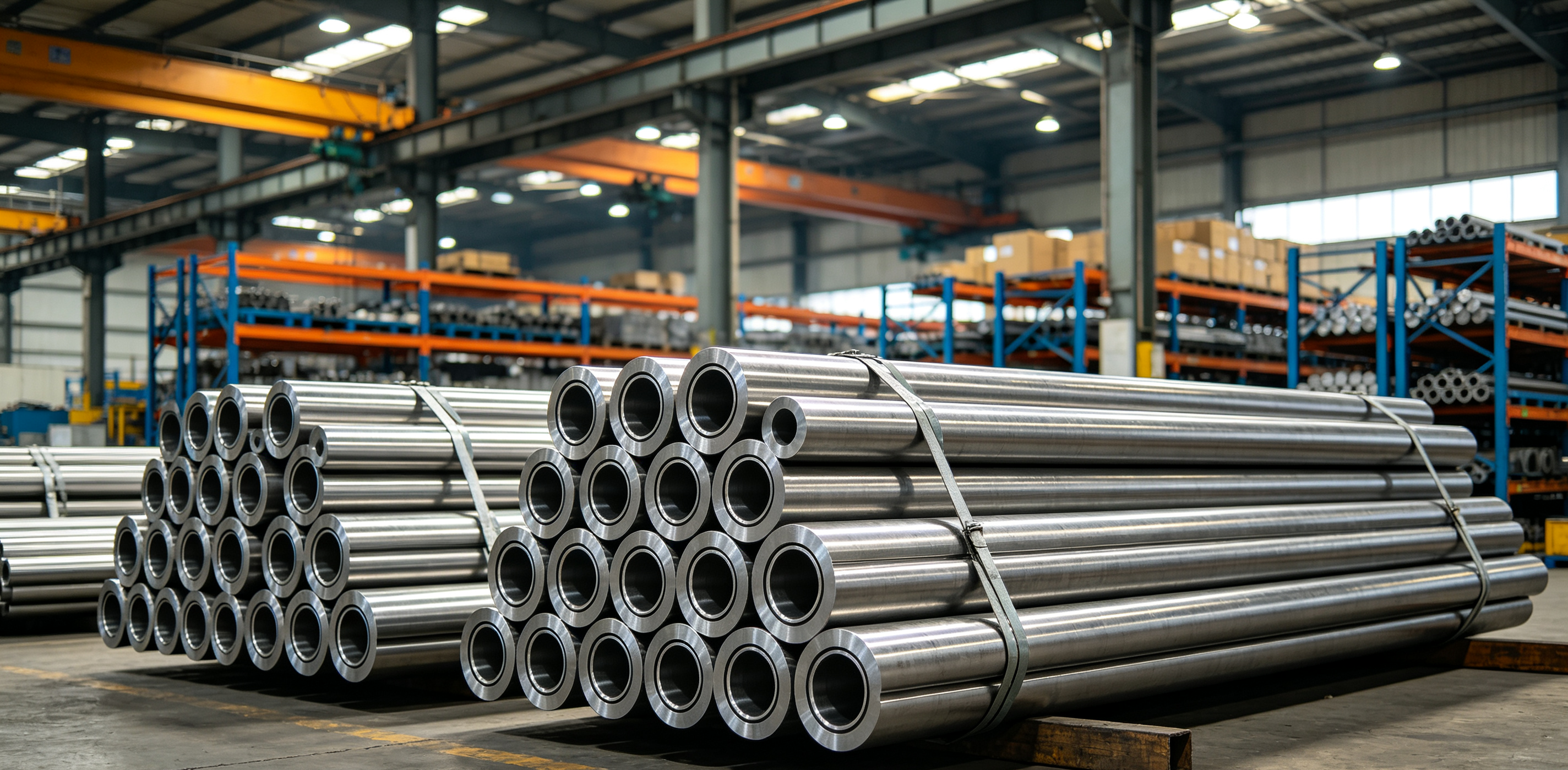
Agricultural machinery and heavy industrial drivelines put immense stress on power take-off (PTO) drive shafts. When tractors power high-demand implements like soil tillers, balers, or rotary mowers, the driveline experiences continuous rotational force and sudden shock loads. If the internal tubing cannot handle these stresses, it deforms, cracks, or twists.
Torsional performance defines how well a drive shaft resists twisting forces during operation. Selecting a high performance torsion resistant PTO tube protects equipment from unexpected breakdowns and keeps farming operations running smoothly.
This guide explains the primary factors that dictate torque capacity in heavy-duty drive shafts and highlights how advanced engineering from FAKESI delivers superior reliability for modern equipment.
1. Cross-Sectional Geometry and Profile Design
The shape of a drive tube directly influences how it distributes stress across its walls. Standard round tubes work well for simple rotation, but telescoping drive shafts require specialized profiles to transmit torque while allowing smooth movement under load.
Star Profile Tubes
A star profile tube uses a series of interlocking splines or ridges along its surface. This multi-lobed geometry distributes rotational force evenly across multiple contact points rather than concentrating stress in a single area. As a result, star-shaped profiles significantly reduce point wear and prevent slipping during sudden torque spikes.
Triangular and Lemon Profiles
Triangular and lemon-shaped profiles offer distinct mechanical benefits for medium to heavy-duty applications. A triangular shape provides a rigid structural form that resists twisting under heavy loads, while lemon profiles offer smooth telescoping action with minimal backlash.
Matching the profile geometry to your machinery's operating demands ensures optimal power transmission and reduces mechanical vibration.
2. Steel Grade Selection and Material Integrity
Profile shape alone cannot guarantee strength if the base material lacks adequate tensile yield properties. The grade of steel used during extrusion or cold drawing determines how much force the wall can withstand before undergoing permanent plastic deformation.
Higher carbon and alloy content improves core material hardness, allowing a high torque PTO tube to absorb high rotational stress without bending out of shape.
| Material Grade | Tensile Strength | Yield Strength | Primary Application |
| Q235B / Low Carbon Steel | Moderate | Standard | Light-duty, low-torque implements |
| 20# Steel | Medium-High | Enhanced | Standard agricultural drive shafts |
| 45# / Q355B Steel | High | Superior | Heavy-duty, high-torque continuous operations |
In addition to chemical composition, the internal structural grain of the steel matters. Cold-drawn seamless tubing provides a uniform grain structure free from welded seam weak points, making it far better suited for severe shock loading than basic welded pipe.
3. Wall Thickness and Dimensional Tolerances
The geometry of a tube wall dictates its polar moment of inertia—the mathematical measure of an object's resistance to torsion. Increasing wall thickness raises torsional rigidity, but adding excessive weight can cause rotational imbalance at higher RPMs.
Achieving the ideal balance requires precise dimensional control. A premier steel pipe manufacturer China like Wuxi Jiangbo Intelligent Technology Co., Ltd. uses cold-drawing techniques to maintain strict wall tolerances within $\pm 0.1\text{ mm}$.
Tight dimensional tolerances provide two key operational advantages:
-
Vibration Reduction: Uniform wall thickness prevents weight imbalances, eliminating driveline chatter at elevated operating speeds.
-
Seamless Telescoping: Precise outer and inner dimensions allow smooth extension and retraction without binding or excessive play.
4. Cold-Drawing Precision vs. Standard Welded Tubing
How a tube is manufactured plays a major role in its ultimate strength and operating lifespan. Standard welded profile tubes are economical, but their longitudinal weld seams create localized stress zones that are vulnerable to cracking under heavy torque.
FAKESI cold-drawn seamless PTO shaft tubing solves this structural vulnerability by eliminating weld seams entirely. Cold drawing alters the steel at room temperature, increasing yield strength and creating a smooth, polished surface finish.
Field testing shows that precision seamless tubes offer up to 200% to 400% longer operational lifespans compared to conventional welded alternatives, significantly reducing equipment downtime and maintenance costs.
5. Partnering with FAKESIfor Custom Driveline Solutions
Sourcing high-performance driveline components requires a manufacturing partner with deep metallurgy expertise and flexible production capabilities.
As a specialized brand under Wuxi Jiangbo Intelligent Technology, FAKESI operates modern manufacturing facilities equipped with precision cold-drawing lines and rigorous testing protocols. FAKESI delivers comprehensive OEM and ODM support for global machinery manufacturers:
-
Wide Size Ranges: Outer diameters ranging from 10 mm to 280 mm with wall thicknesses from 1 mm to 18 mm.
-
Custom Profiles: Tailored star, lemon, triangular, and cold-drawn seamless shapes designed to exact customer drawings.
-
Strict Quality Control: ISO-certified manufacturing featuring 100% dimensional inspections and protective surface anti-rust treatments.
By combining high-grade raw materials with precision manufacturing, FAKESI delivers durable, high-torque tubing solutions that keep industrial and agricultural drivelines running reliably.


