How to Specify Inner and Outer PTO Telescopic Tubes
News Details
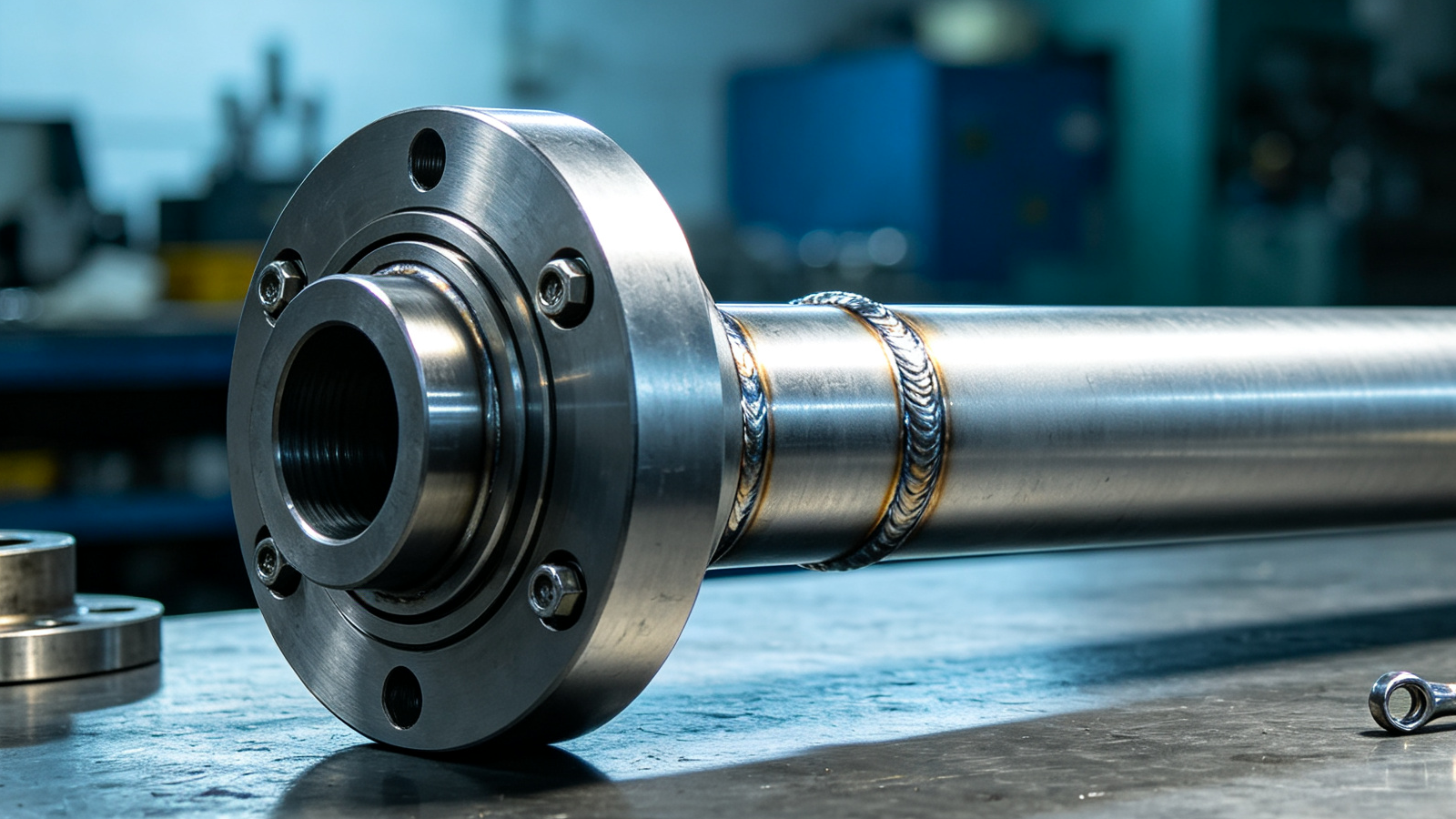
Power Take-Off (PTO) drive shafts are critical links in modern farm machinery and industrial equipment. They transfer rotating power from an engine or tractor directly to attached implements like mowers, balers, and tillers. However, as machinery moves over uneven ground, the distance between the power source and the implement constantly changes. This movement requires an inner outer PTO tube system that slides smoothly back and forth while carrying heavy torque loads.
Specifying the correct PTO telescopic tube set is vital. If the tubes are sized incorrectly or made from weak materials, the shaft can jam, twist, or break.
As a professional PTO drive shaft tube manufacturer, FAKESI produces high-precision PTO shaft tubing for equipment builders globally. In this guide, we walk you through step-by-step instructions on how to accurately specify inner and outer PTO tubes for your mechanical builds.
Understanding Inner and Outer PTO Telescopic Tubes
A telescopic drive shaft relies on a male (inner) tube fitting neatly inside a female (outer) tube. As the tractor and implement move apart or come closer together, these two pipes slide past each other. This motion allows power to flow smoothly without binding the universal joints.
To work effectively, both pipes must match in shape, wall thickness, and surface finish. Common shapes include the PTO triangular tube, lemon profile, and multi-spline star profile. Regardless of the profile shape, tight dimensional tolerances are essential so the inner tube glides smoothly inside the outer tube without excessive play or wobbling.
Key Steps to Specify PTO Shaft Tube Dimensions
Selecting the right tubing requires careful measurement and consideration of your machine's working conditions. Below are the key factors you need to define.
1. Select the Profile Shape
First, choose a shape that matches your torque requirements and equipment design:
-
Triangular Profile: The PTO triangular tube is the most common design for light-to-medium-duty farm implements. Its three-sided shape makes alignment simple and provides reliable power transfer.
-
Lemon Profile: Features an oval, double-lobed shape. It provides higher surface contact and smoother sliding under medium-to-heavy torque loads.
-
Star Profile: Features multiple splined ribs for severe-duty machinery that demands maximum torque transmission and high bending strength.
2. Determine Profile Cross-Section Dimensions
Accurate PTO shaft tube dimensions are essential for a proper telescopic fit. You must specify:
-
Outer Tube Dimensions: Measure the outer width across the main flats or lobes, along with the wall thickness.
-
Inner Tube Dimensions: Measure the outer width of the inner profile so it matches the internal dimensions of the outer tube.
-
Clearance Gap: Ensure there is enough clearance (typically a fraction of a millimeter) to allow protective lubrication while preventing loose radial play.
3. Calculate Minimum and Maximum Working Lengths
Drive shafts must never bottom out or pull completely apart during operation:
-
Compressed Length: When the equipment is in its shortest position, the inner tube must not hit the end of the outer yoke. Always leave a safety buffer of at least 20 to 50 mm.
-
Extended Length: At maximum distance, the inner and outer tubes must maintain sufficient overlap. A general rule of thumb is that the inner tube should remain inside the outer tube by at least one-third of the total shaft length (or a minimum overlap of 150 mm for heavy loads).
4. Choose Wall Thickness and Steel Grade
Wall thickness directly impacts torque capacity and weight:
-
Thicker walls prevent torsional twisting under sudden shock loads.
-
High-tensile cold-drawn seamless steel delivers superior yield strength compared to standard welded pipe.
Common Sizing and Specification Checklist
When sending your specifications to a supplier, keep this handy reference checklist ready:
| Feature | Specification Requirement | Why It Matters |
| Profile Shape | Triangle, Lemon, or Star | Determines torque capacity and sliding action |
| Inner Tube OD / ID | Exact profile dimensions in mm | Ensures precise fit inside outer tube |
| Outer Tube OD / ID | Exact profile dimensions in mm | Matches yoke size and housing guard |
| Wall Thickness | Standard sizes (e.g., 3.5mm, 4.5mm, 5mm) | Prevents tube collapse under shock loads |
| Steel Grade | e.g., Q355B, ST52, E355 | Ensures required yield and tensile strength |
| Length & Tolerance | Cut length in mm with +/- tolerance | Prevents binding or detachment during movement |
Critical Factors That Affect Tube Performance
Beyond raw dimensions, operational factors influence how long your telescopic tubes will last in the field:
-
Surface Finish: Cold-drawn smooth surfaces reduce friction between the sliding tubes, preventing premature wear.
-
Corrosion Protection: Applying rust-preventive oil, zinc plating, or black oxide coatings protects exposed metal in wet agricultural environments.
-
Lubrication Grooves: High-grade tubes feature grease grooves or smooth radii that allow grease to spread evenly across the contact area.
Why Source from FAKESI – Premier Steel Pipe Manufacturer China
Finding a reliable supply partner is just as important as setting the right technical specifications. As a leading steel pipe manufacturer China, FAKESI supplies high-performance steel tubes engineered for demanding industrial and agricultural uses.
-
Precision Cold Drawing: Our advanced cold-drawing production lines ensure exact profile shapes, tight tolerances, and uniform wall thickness across all product runs.
-
Comprehensive Profile Range: We produce inner and outer triangular tubes, lemon tubes, and star profiles tailored to standard global shaft series.
-
Custom Engineering Support: If you have non-standard dimensions or specific torque requirements, our engineering team can custom-fabricate tubing to match your exact drawings.
-
Rigorous Testing: Every batch of tubing undergoes dimensional checks, hardness testing, and straightness verification before delivery.
Conclusion
Specifying the right inner and outer PTO telescopic tube comes down to three main steps: selecting the right profile shape, calculating accurate dimensions and overlap lengths, and picking high-strength steel grades. Taking time to get these details right guarantees smooth operation, reduces downtime, and extends the life of your equipment.
If you are designing new machinery or sourcing replacement drive shaft components, contact FAKESI today. As a specialized PTO drive shaft tube manufacturer, we provide precision tubing solutions tailored to your exact specifications.


