Which Is More Accurate in Size, Hot Rolled or Cold Rolled Steel?
News Details
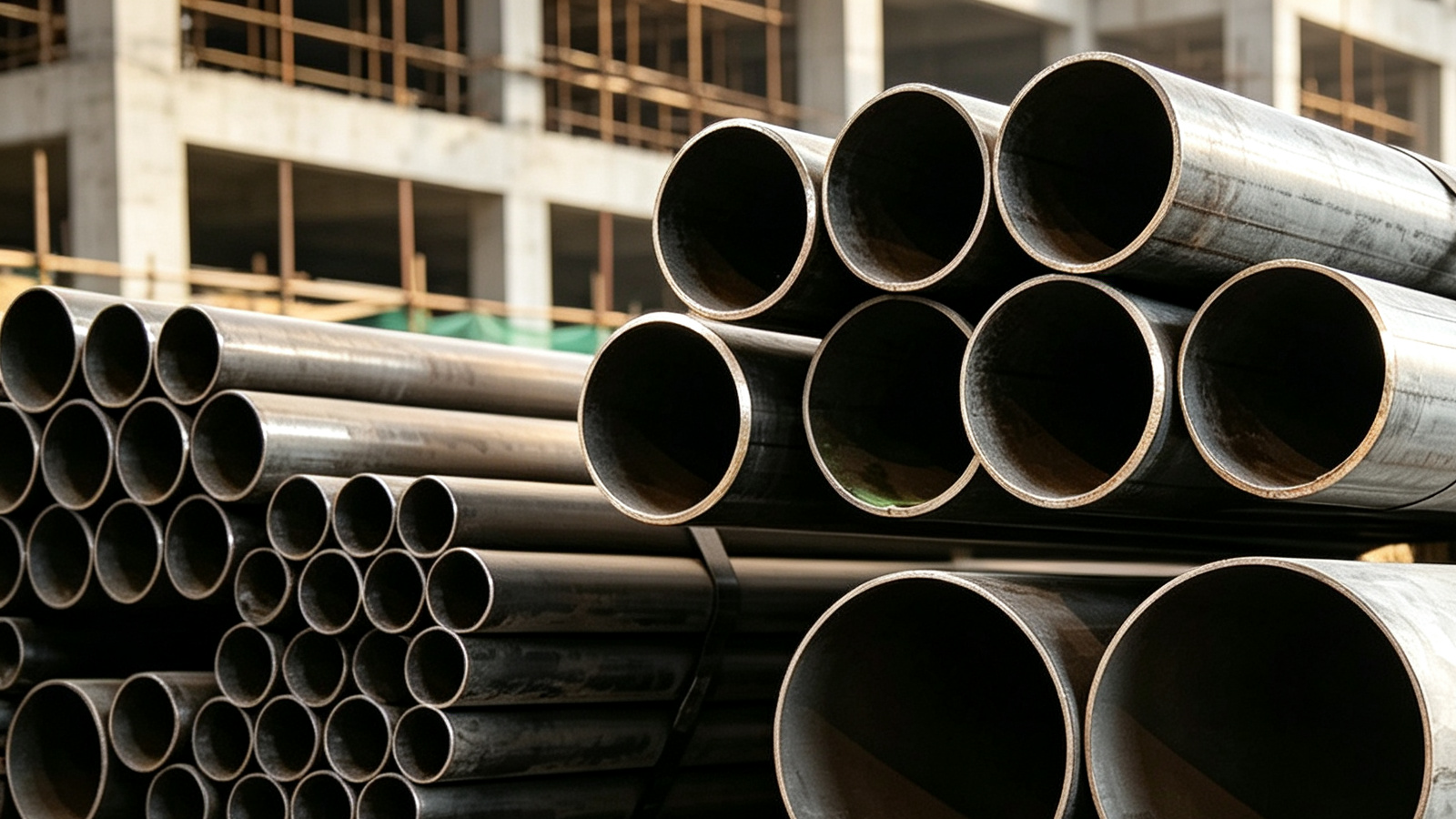
When selecting steel materials for industrial applications, size accuracy is one of the most important factors. Whether used in automotive parts, hydraulic systems, machinery components, or precision equipment, even small dimensional differences can affect assembly performance and product quality.
A common question among engineers and buyers is: Which is more accurate in size, hot rolled or cold rolled steel?
The simple answer is that cold rolled steel generally provides higher dimensional accuracy and better surface quality than hot rolled steel. However, the best choice depends on the application, production requirements, and cost considerations.
Understanding the differences between hot rolled and cold rolled processes can help companies make a better precision steel tubing selection and choose the right material for their projects.
What Is Hot Rolled Steel?
Hot rolled steel is produced by heating steel billets to a high temperature, usually above the steel’s recrystallization temperature. The heated steel is then passed through rollers to achieve the required shape and size.
Because the steel remains hot during forming, it is easier to process and suitable for producing large quantities of steel products.
Hot rolled steel is commonly used in:
- Structural steel components
- Construction materials
- Heavy machinery parts
- Large diameter pipes
- General industrial applications
However, during the cooling process, hot rolled steel naturally contracts. As a result, its final dimensions may have larger variations compared with cold processed steel.
For applications where exact measurements are not critical, hot rolled steel is often a practical and economical choice.
What Is Cold Rolled Steel?
Cold rolled steel is produced by further processing hot rolled steel at room temperature. The material passes through additional rolling or drawing processes to improve its dimensional accuracy and surface finish.
Compared with hot rolling, cold rolling creates tighter control over:
- Outer diameter
- Wall thickness
- Straightness
- Surface quality
- Mechanical properties
Because of these advantages, cold rolled steel is widely used in applications that require higher precision.
Typical applications include:
- Automotive components
- Hydraulic cylinders
- Precision machinery
- Medical equipment
- High-performance industrial systems
For example, cold drawn seamless steel pipes for precision engineering are designed for industries where strict size control and reliable performance are required.
Hot Rolled vs Cold Rolled: Which Has Better Size Accuracy?
When comparing Cold-drawn vs hot-rolled seamless steel pipes, cold drawn products have a clear advantage in dimensional accuracy.
The main differences include:
| Feature | Hot Rolled Steel | Cold Rolled Steel |
|---|---|---|
| Manufacturing temperature | High temperature | Room temperature |
| Size accuracy | Standard accuracy | Higher accuracy |
| Surface finish | Rougher surface | Smoother surface |
| Dimensional tolerance | Wider tolerance range | Tighter tolerance |
| Production cost | Lower | Higher |
| Application | General use | Precision applications |
Hot rolled steel is formed under high heat, so dimensional changes can occur during cooling. In contrast, cold rolled steel undergoes additional processing, which allows manufacturers to control dimensions more precisely.
Therefore, when size accuracy is the priority, cold rolled steel is usually the better choice.
Why Are Cold Drawn Seamless Steel Pipes More Accurate?
A Precision Seamless Pipe is manufactured through a controlled cold drawing process. During cold drawing, a seamless steel tube is pulled through a die to reduce its diameter and improve its shape.
This process provides several benefits:
1. Better Dimensional Tolerance
Cold drawing can achieve much tighter tolerance control compared with hot rolling.
For industries such as automotive manufacturing, hydraulic equipment, and precision machinery, accurate dimensions are essential because components must fit together perfectly.
2. Improved Surface Quality
Cold drawn pipes have a smoother inner and outer surface. This reduces friction and improves performance in systems that involve movement or fluid transfer.
3. Higher Strength
Cold drawing increases the material’s tensile strength through work hardening.
The improved CDS pipe strength and tolerance make cold drawn seamless pipes suitable for demanding applications where both durability and accuracy are required.
Cold Drawn Seamless Steel Pipe vs Hot Rolled: Key Differences
The comparison between Cold drawn seamless steel pipe vs hot rolled mainly focuses on accuracy, strength, and application requirements.
Dimensional Accuracy
Cold drawn seamless steel pipes provide better dimensional control. They are often selected when manufacturers need precise outside diameter and wall thickness.
Hot rolled pipes are more suitable for applications where small dimensional variations are acceptable.
Mechanical Performance
Cold drawn pipes generally have higher strength because the drawing process improves the material structure.
However, hot rolled pipes may offer better flexibility for large-scale structural applications.
Surface Finish
Cold drawn pipes have a cleaner and smoother surface, making them ideal for precision components.
Hot rolled pipes usually have a rougher surface due to high-temperature production.
Cost Consideration
Hot rolled products usually have lower production costs because they require fewer processing steps.
Cold drawn products involve additional processing, which increases cost but provides better performance and accuracy.
How to Choose the Right Precision Steel Tubing?
Choosing the right steel tubing depends on your project requirements.
For standard industrial applications, hot rolled steel may provide enough performance at a lower cost.
However, if your project requires:
- Strict dimensional tolerance
- Smooth surface quality
- High mechanical strength
- Easy machining
- Reliable assembly accuracy
then cold drawn seamless steel pipes are usually the better option.
For example, hydraulic cylinders, automation equipment, and precision machinery often require precision steel tubing selection based on exact size requirements rather than only material cost.
OEM Pipe Solutions for Precision Applications
Many industries require customized pipe solutions instead of standard products. In these cases, working with an experienced manufacturer is important.
Professional suppliers can provide:
- Customized dimensions
- Specific material grades
- Tight tolerance control
- Surface treatment options
- Quality inspection services
For companies looking for oem pipe weld precision steel solutions, choosing a manufacturer with strong production technology and quality control capability can help ensure consistent performance.
A reliable supplier can support different application needs, from standard industrial pipes to advanced Precision Seamless Pipe products for specialized industries.
Why Choose Cold Drawn Seamless Steel Pipes for Precision Engineering?
Modern manufacturing industries continue to demand higher accuracy and better reliability. As equipment becomes more advanced, traditional steel pipes may not always meet strict requirements.
This is why many engineers choose cold drawn seamless steel pipes for precision engineering.
Their advantages include:
- Excellent dimensional accuracy
- High strength-to-weight ratio
- Smooth surface finish
- Better machining performance
- Stable product quality
From automotive systems to hydraulic equipment, cold drawn seamless pipes provide a dependable solution for precision applications.
Final Thoughts: Cold Rolled Steel Offers Better Size Accuracy
So, which is more accurate in size, hot rolled or cold rolled steel?
The answer is clear: cold rolled steel provides better size accuracy, tighter tolerance, and improved surface quality compared with hot rolled steel.
Hot rolled steel remains a cost-effective choice for general applications, while cold rolled and cold drawn products are preferred for industries that require precision and reliability.
When selecting between Cold-drawn vs hot-rolled seamless steel pipes, engineers should consider the required tolerance, application environment, mechanical performance, and production goals.
For precision manufacturing projects, cold drawn seamless steel pipes are often the ideal choice because they deliver the accuracy and consistency needed in modern industrial applications.


