Cold Drawn vs Hot Rolled: Which Seamless Steel Pipe Is Right for Your Project?
News Details
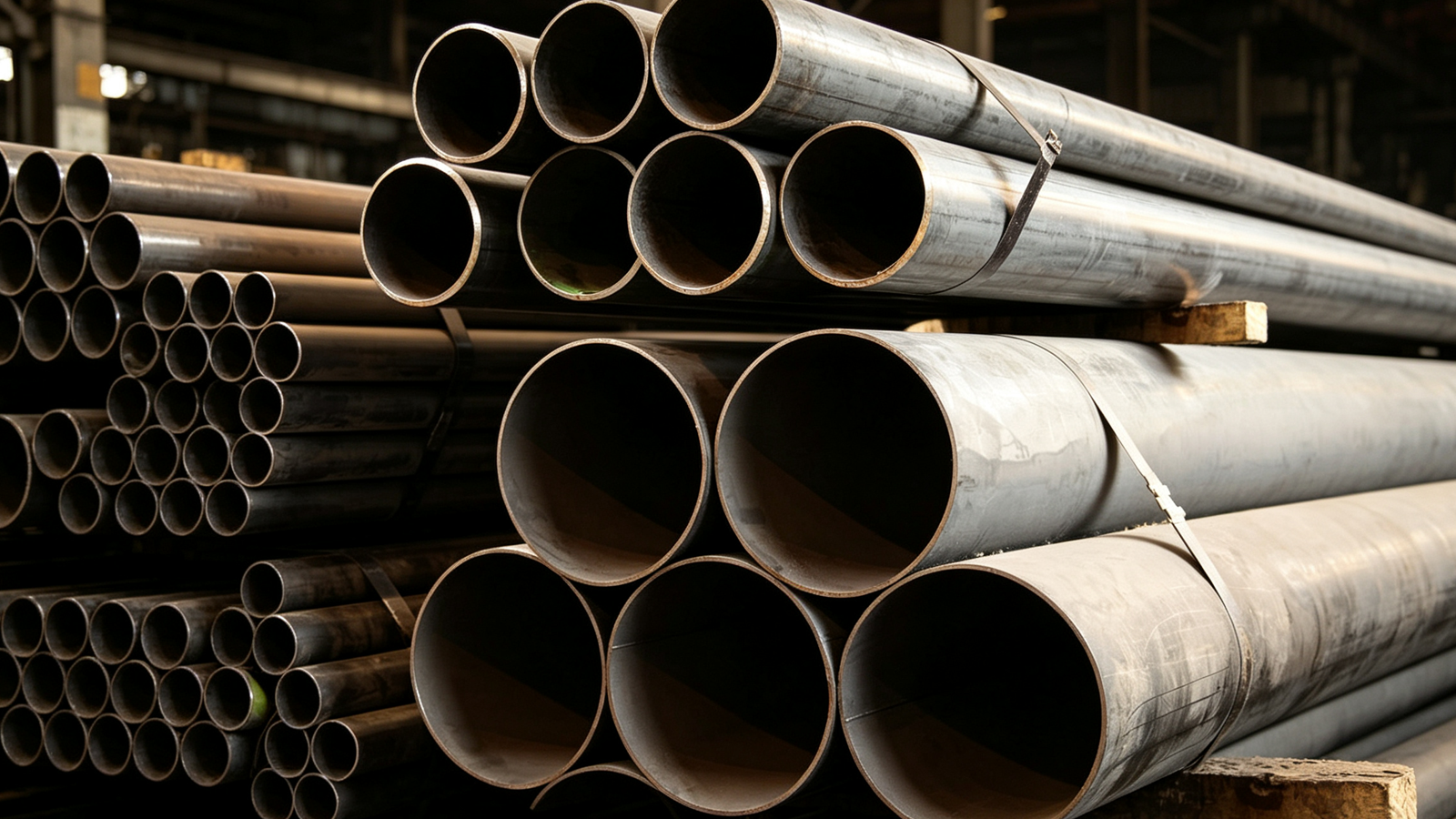
When you buy steel pipes for manufacturing, picking the right option can save you time and money. However, engineers and sourcing managers often ask one main question: Which is better, Cold Drawn (CR/CDS) or Hot Rolled (HR)?
The short answer is simple. Neither pipe is "better" in every situation. Instead, the right choice depends on your needs, your budget, and how exact your parts must be.
Let us break down the real differences between cold-drawn vs hot-rolled seamless steel pipes so you can make the best choice for your next job.
What Is Hot RolledSeamless Steel Pipe?
Hot rolled steel is made at very high heat—usually above 1,700°F (900°C). This temperature is higher than the recrystallization point of steel. Because the metal is so hot, mills can shape it easily into large pipes.
How It Works:
First, a solid steel billet is heated until it glows. Next, a piercing rod creates a hole through the middle. Then, heavy rollers stretch and shape the tube to its final size while it is still hot. Finally, the steel cools down naturally in the air.
Key Benefits:
-
Lower Cost: The heating process makes it faster and cheaper to produce in bulk.
-
Thicker Walls: It works great for heavy structural parts that need thick metal.
-
Easy to Form: Hot steel has less internal stress, so it is easy to work with in basic shapes.
The Drawbacks:
As the pipe cools, it shrinks slightly and unevenly. Consequently, hot rolled pipes have wider dimensional tolerances, a rough outer scale, and less precise shapes.
What Is Cold Drawn Seamless Steel Pipe?
Cold drawn seamless steel pipe starts as a hot rolled tube. However, it undergoes several extra processing steps at room temperature to refine its shape and structure.
How It Works:
After a hot rolled pipe cools, workers clean it with acid to remove mill scale. Then, the pipe is pulled ("drawn") through a hard steel die and over a mandrel at room temperature. This cold-drawing process compresses the steel, squeezes the walls to exact thicknesses, and smooths both the inside and outside surfaces.
Key Differences: Cold Drawn Seamless Steel Pipe vs Hot Rolled
To help you with your precision steel tubing selection, here is how these two types compare across key performance areas:
| Property | Hot Rolled (HR) | Cold Drawn (CDS / CR) |
| Surface Finish | Rough, scaled, and dull | Smooth, shiny, and scale-free |
| Dimension Tolerance | Wide (±0.5mm to ±1.0mm) | Extremely tight (±0.05mm to ±0.15mm) |
| Tensile Strength | Standard structural strength | 15% to 20% higher yield strength |
| Cost | Lower price per ton | Higher due to extra processing |
| Best Uses | Structural columns, oil lines, general plumbing | Hydraulic cylinders, auto parts, precision shafts |
3 Critical Factors in Precision Steel Tubing Selection
When you evaluate CDS pipe strength and tolerance, consider these three factors before placing an order:
1. Strength and Hardness Requirements
Cold processing works the steel, which naturally increases its hardness and tensile strength. Therefore, cold drawn seamless steel pipes for precision engineering handle higher pressures and heavy mechanical stress without bending or breaking. If your machinery needs high strength in a light, thin-wall profile, cold drawn steel is usually the best fit.
2. Machining and Production Time
Because hot rolled pipes have wider tolerances, your machinists must spend extra time turning, boring, or grinding the steel down on a lathe to get a proper fit. On the other hand, a Precision Seamless Pipe arrives near its net shape. Thus, you save hours of expensive CNC machine time and reduce material waste.
3. Welding and Assembly Fit
If you build complex frame assemblies or custom parts, precise joint fits are crucial. Using an oem pipe weld precision steel component made from cold drawn tubing ensures that parts align cleanly during welding. This reduces gap variations, creates stronger weld seams, and speeds up factory assembly lines.
Which One Should You Buy?
Pick Hot Rolled Steel Pipes If:
-
You are building large support structures, building frames, or low-pressure fluid lines.
-
Tight wall thickness and smooth surface finishes are not critical.
-
Your top priority is keeping raw material costs as low as possible.
Pick Cold Drawn Seamless Pipes If:
-
You are manufacturing hydraulic cylinders, shock absorbers, or automotive drive shafts.
-
You need exact outer diameters, thin wall options, and smooth inner surfaces.
-
You want to reduce on-site machining and improve your production line speed.
Find Your Ideal Tubing Solution
Selecting the right steel grade and finish prevents costly quality issues down the road. If you need reliable, high-precision tubing built to strict global standards, exploring specialized manufacturers like Wuxi Jiangbo Intelligent Technology Co., Ltd. can help you source custom seamless steel pipes tailored directly to your engineering needs.


