Precision Pipe for Hydraulic Cylinders: The Ultimate B2B Buyer's Guide
News Details
Every modern hydraulic system relies on continuous fluid power to lift heavy loads, push massive arms, and steer industrial equipment. At the heart of this power lies the hydraulic cylinder. While hydraulic oil supplies the pressure, the internal barrel must withstand immense stress without leaking or wearing out. This is where a high-quality Hydraulic Cylinder Pipe becomes essential.
Without smooth internal walls and tight dimensional controls, seals degrade quickly and equipment fails. Below, we break down what makes a Precision Pipe for Cylinders so special, how it is manufactured, and why choosing the right manufacturer makes all the difference for your machinery.
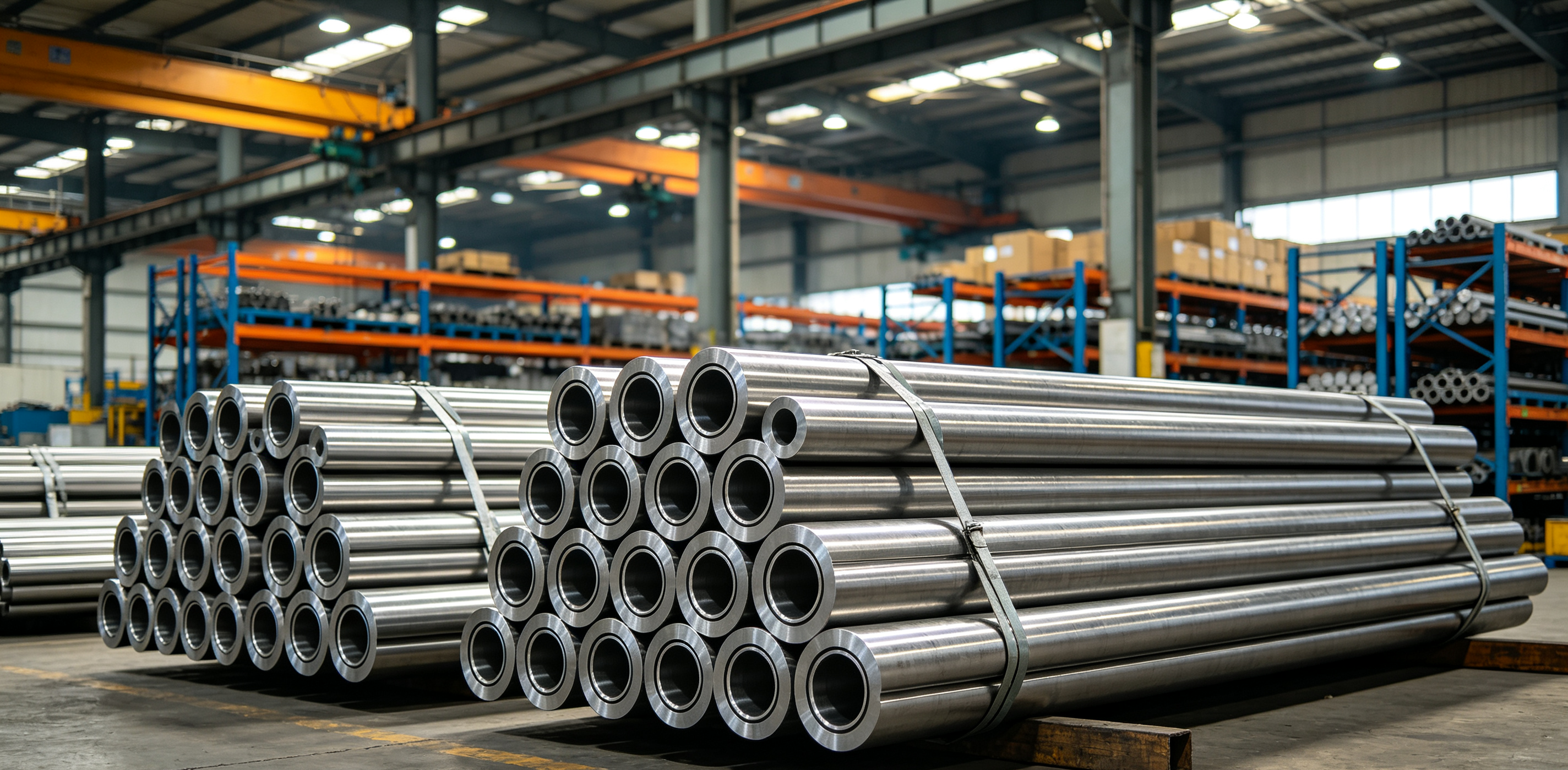
A standard steel tube often has tiny surface bumps, varied wall thickness, and uneven internal dimensions. While standard tubes work fine for general structural frames, they cannot withstand high fluid pressure or high-frequency piston movement.
In contrast, a Hydraulic Precision Pipe is engineered to exact specifications. It undergoes specialized processes like cold drawing, honing, or skiving and roller burnishing. Consequently, the inner surface achieves a mirror-like finish. This smooth surface reduces friction, preserves seal life, and maintains consistent fluid flow under high operating pressure.
When sourcing steel tubes for cylinder construction, engineers and purchasing managers evaluate several physical characteristics:
-
Tight Tolerances: The inner diameter must stay within strict dimensional limits so the piston and seals fit perfectly.
-
Superior Surface Roughness: Low surface roughness (Ra value) prevents seal wear and minimizes internal fluid leakage.
-
High Tensile Strength: Premium seamless steel grades ensure the pipe can resist bursting under sudden pressure spikes.
-
Straightness: Excellent straightness prevents binding when long pistons travel inside the cylinder barrel.
For example, high-grade options featured by specialized manufacturers like Jiangbo Precision Steel Pipe focus on strict quality controls at every step, ensuring each Hydraulic Cylinder Pipe meets international industrial standards.
Creating a tube capable of handling heavy hydraulic work requires multi-stage processing. Here is how raw steel becomes a dependable hydraulic component:
-
Cold Drawing: Raw seamless steel pipes are pulled through dies to refine their outer and inner dimensions while increasing yield strength.
-
Heat Treatment: Annealing or stress relieving removes internal stress, making the metal durable and uniform throughout.
-
Honing or Skiving: Special machinery cuts away minor imperfections on the inside wall. Honing creates tiny micro-grooves that retain oil film for smooth piston sliding.
-
Final Inspection: Ultrasonic testing and non-destructive inspection confirm that the tube is free of internal cracks or wall flaws.
Because of these careful steps, the finished Precision Pipe for Cylinders offers reliable performance even under extreme environmental conditions.
High-precision hydraulic tubes power key machines across many primary industries:
| Industry | Primary Application | Key Requirement |
| Construction | Excavators, loaders, and cranes | High pressure resistance & impact durability |
| Agriculture | Tractors, harvesters, and balers | Corrosion resistance & smooth action |
| Manufacturing | Injection molding and hydraulic presses | Tight tolerances & long operational life |
| Material Handling | Forklifts and dock levelers | Smooth lifting & consistent seal wear |
Selecting a trustworthy supplier directly affects your production timeline, product durability, and brand reputation. When sourcing a Hydraulic Precision Pipe, look for manufacturers with advanced testing equipment, broad size availability, and proven export experience.
Leading producers like Jiangbo Precision Steel Pipe offer customized sizes, custom heat treatments, and flexible order options to match specific OEM requirements. By choosing high-precision tubes built for long-term service, you lower maintenance costs and protect your equipment against downtime.


