What Is a Small Diameter Pipe?
News Details
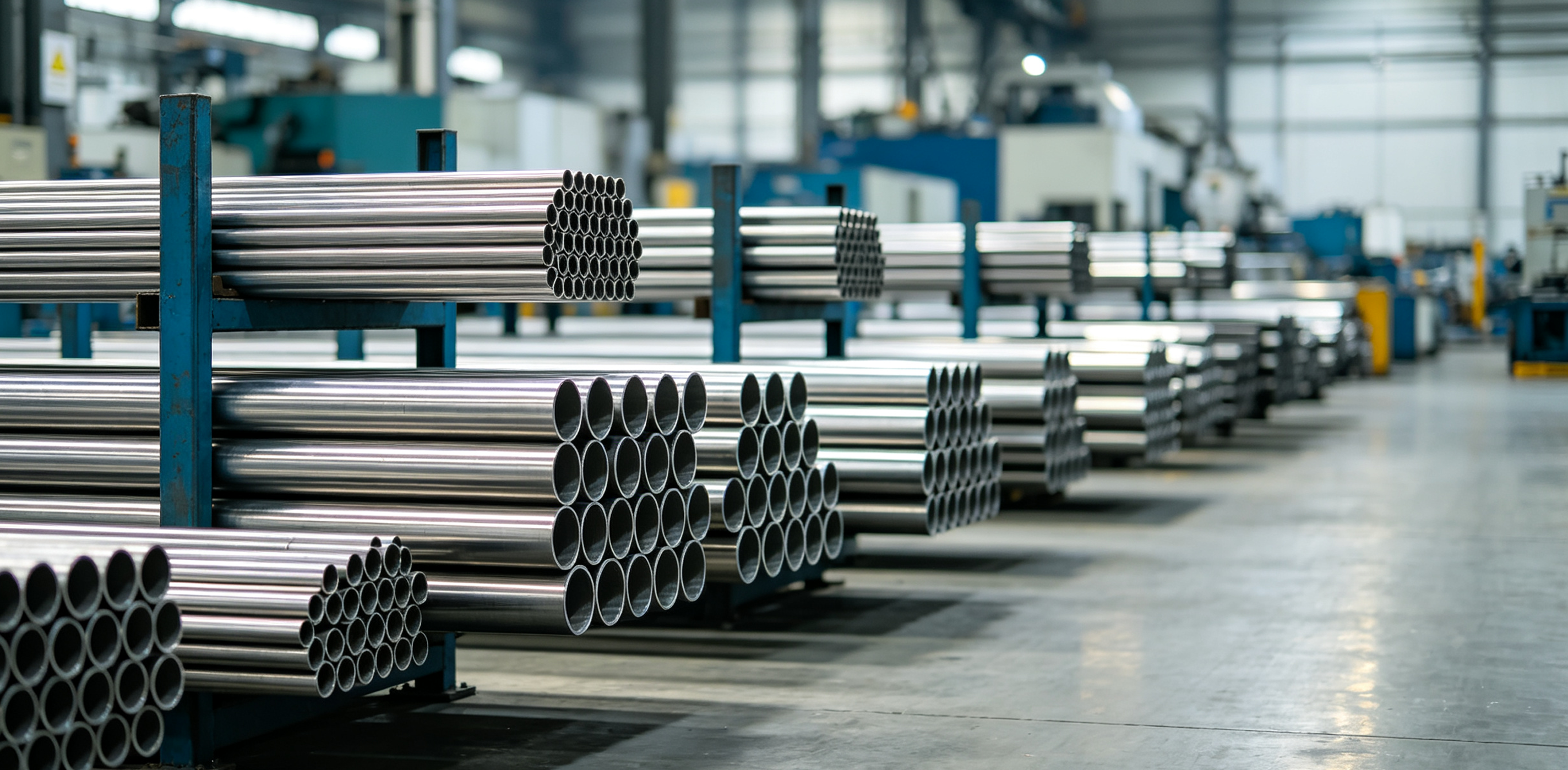
Industrial machines use many small parts to work well. Tiny tubes carry oil, fuel, and air through complex systems every day. Engineers call these components small diameter pipes.
Unlike basic steel tubes, a Small Diameter Precision Pipe features exact dimensions and very smooth surfaces. Because of this high accuracy, it handles high pressure without leaking or breaking. In this guide, we explain what these pipes are, how factories make them, and where companies use them.
A pipe counts as small diameter when its outer size measures under 50 mm (2 inches). Some of these tubes are as thin as a drinking straw. However, size is only one part of the story.
A Small Diameter High Precision Pipe must also meet strict size rules. Standard pipes often have uneven walls or rough surfaces. In contrast, precision pipes have uniform walls and smooth inner surfaces. Consequently, fluid moves through them smoothly and quickly.
Engineers pick high-precision pipes because they offer several clear advantages:
-
Exact Sizes: Factories control both inner and outer dimensions tightly. As a result, connectors fit perfectly.
-
Bright Surface Finish: A Small Diameter Bright Pipe undergoes special heat treatment. This keeps the steel shiny and free from dark rust or scale.
-
High Strength: A High Precision Steel Pipe resists strong pressure, heavy vibration, and high temperatures.
-
Clean Inner Wall: Smooth internal walls stop dirt build-up, protect seals, and cut fluid friction.
Professional factories like Jiangbo Precision Steel Pipe manufacture each Precision Steel Pipe to meet high global standards.
Making thin steel tubes requires careful work and special machines. Factories follow four clear steps to produce high-grade tubing:
-
Cold Drawing: Workers pull raw steel tubes through custom metal dies at room temperature. This step reduces the pipe diameter and hardens the steel.
-
Bright Annealing: Workers heat the tubes inside a gas-filled furnace. This process softens the steel for bending while keeping the surface bright and clean.
-
Straightening: Machines straighten every single tube so it fits smoothly into machinery.
-
Testing: Technicians test each tube with electricity and water pressure to find any hidden cracks.
Many key industries rely on these small steel tubes to power daily operations:
| Industry | Main Application | Key Advantage |
| Automotive | Brake lines and fuel injection lines | Prevents fluid leaks under high heat |
| Hydraulics | Small hydraulic cylinders and valve blocks | Protects rubber seals from wear |
| Medical | Surgical instruments and diagnostic tools | Provides clean, rust-free fluid paths |
| Machinery | Lubrication lines and pressure sensors | Delivers steady oil flow to moving parts |
A bad pipe can cause sudden leaks, machine stops, or costly repair work. Therefore, buying quality steel pipes saves your business time and money.
Experienced suppliers like Jiangbo Precision Steel Pipe offer customized sizes, fast delivery, and expert support. When you buy strong precision tubing, your equipment runs longer and works better.


