Understanding Fluid Transportation Seamless Pipe
News Details
Every single day, vast amounts of liquids and gases travel through massive industrial networks. We rely on these hidden networks for clean drinking water, home heating, fuel delivery, and chemical processing. But have you ever wondered what keeps these fluids moving safely without leaks or sudden breaks? The answer lies in the engineering strength of the Fluid Transportation Seamless Pipe.
Unlike welded alternatives, a Seamless Pipe has no weak points or visible seam lines. Because of this continuous structure, it handles intense pressure, sudden temperature shifts, and heavy loads with ease. In this popular science breakdown, we will explore how a Seamless Steel Pipe works, why it matters for modern fluid systems, and how to choose the right products for your engineering needs.
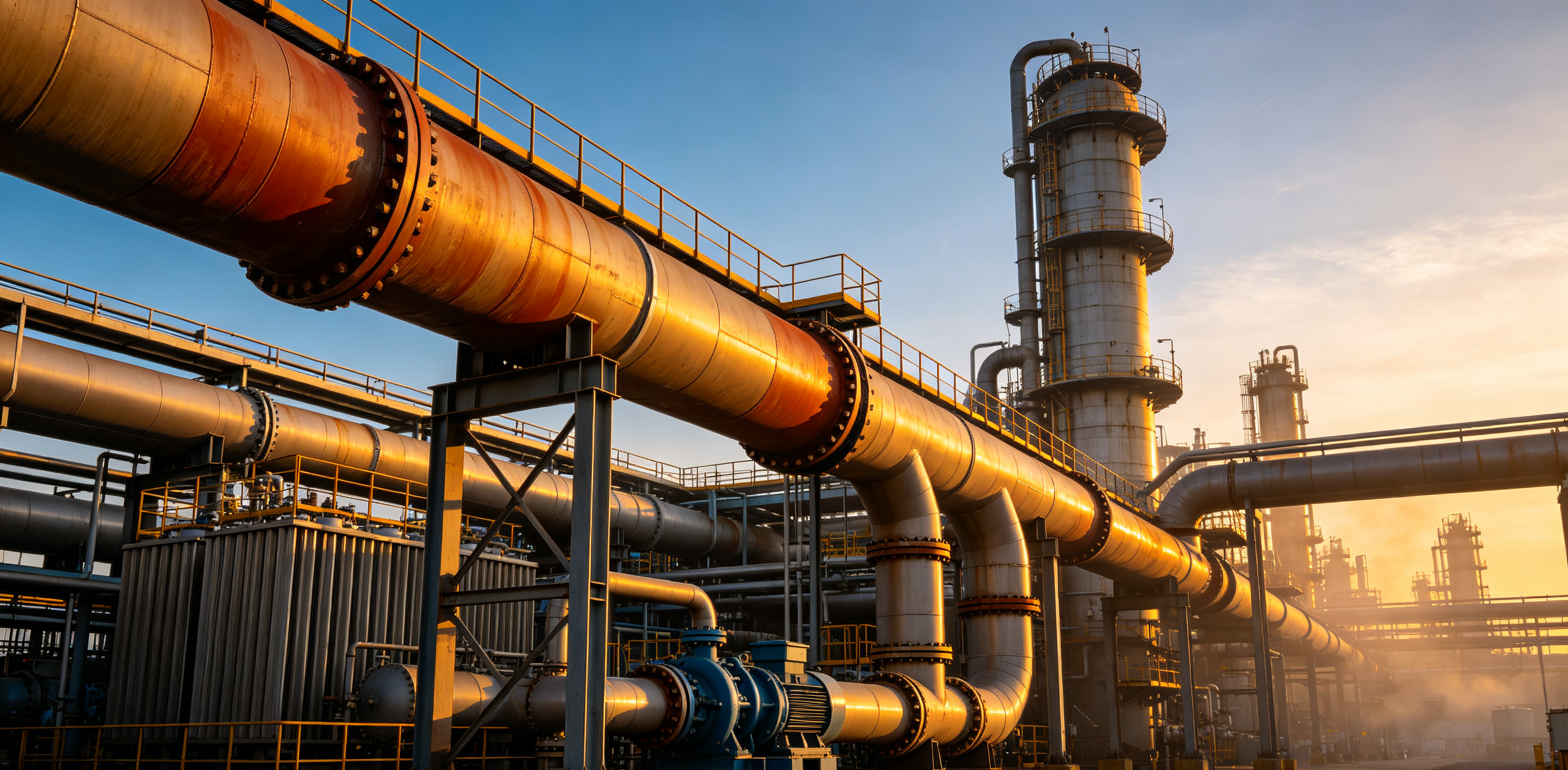
What Is a Fluid Transportation Pipe?
A Fluid Transportation Pipe is a specialized tube designed specifically to convey liquids, gases, or slurries from one location to another. These fluids often travel over long distances or operate under extreme pressures. Therefore, the internal structure of the pipe must remain completely uniform and reliable.
When engineers select a Fluid Pipe for high-demand projects, they look closely at wall thickness, interior surface smoothness, and tensile strength. If a pipe has welded seams, high pressure can place concentrated stress along those weld lines over time. On the other hand, a continuous Seamless Round Pipe distributes internal pressure evenly across every square millimeter of its wall.
How Is a Seamless Steel Pipe Made?
To understand why a Seamless Steel Pipe performs so well, it helps to look at how mill technicians produce it. Instead of bending a flat sheet of metal and welding the edges together, manufacturers create seamless pipes through a hot extrusion or piercing process.
-
Solid Billet Heating: First, a solid cylindrical steel billet is heated in a furnace until it reaches a glowing, workable temperature.
-
Rotary Piercing: Next, a sharp mandrel pierces through the center of the solid billet while heavy rollers spin and push the steel forward. This creates a hollow shell without any seam.
-
Elongation and Sizing: After piercing, technicians stretch and roll the hollow shell over mandrel bars to achieve precise wall thickness and outer diameter measurements.
-
Cooling and Finishing: Finally, the pipe is cooled, straightened, heat-treated, and tested rigorously for quality assurance.
Because this method produces a solid wall from end to end, the final Seamless Round Pipe possesses high structural integrity and superior pressure resistance.
Key Advantages of Seamless Pipes in Fluid Systems
Why do major industrial projects prefer seamless options over welded alternatives? Here are the primary reasons:
-
Superior Pressure Capacity: Without a welded seam, a Seamless Pipe can handle significantly higher internal pressures without risk of seam failure or bursting.
-
Enhanced Corrosion Resistance: Seamless surfaces provide fewer points for chemical attack or localized oxidation, ensuring a longer operational lifespan.
-
Smooth Internal Flow: The uniform interior surface reduces friction as liquids or gases pass through, which improves overall pump efficiency.
-
Reliable Safety: In hazardous applications like oil, gas, or chemical transport, seamless construction reduces the risk of dangerous leaks.
Applications: From Water Supply to Heavy Industry
Because of their reliability, seamless pipes serve critical functions across dozens of major industries:
Municipal and Civil Engineering
Clean water delivery requires pure, leak-proof conduits that resist internal build-up and withstand ground movement. Using a Water Supply Seamless Pipe in high-pressure mainlines ensures safe, consistent drinking water distribution to thousands of homes and commercial facilities.
Oil and Natural Gas Transport
Petroleum products travel across thousands of miles under extreme pressure. Energy operators rely on heavy-duty Fluid Transportation Pipe products to move crude oil and natural gas safely across harsh landscapes without environmental risk.
Chemical and Petrochemical Processing
Chemical plants handle corrosive acids, hot steam, and volatile solvents. High-grade stainless or carbon steel Seamless Steel Pipe models ensure that volatile fluids stay securely contained within processing loops.
Selecting a Trusted Seamless Steel Pipe Manufacturer
When sourcing materials for critical fluid transport systems, quality control and material certification are non-negotiable. Partnering with a proven Seamless Steel Pipe Manufacturer ensures that your supplies meet strict international standards, including ASTM, API, and ISO benchmarks.
Leading producers like FAKESI offer a broad range of seamless pipe dimensions, material grades, and custom coating options designed to handle challenging fluid transport environments. Working directly with a specialized manufacturer allows engineers to receive tailored wall thicknesses, precise tolerances, and verified pressure ratings for every single project.
Final Thoughts
Fluid transportation systems form the silent backbone of modern infrastructure. Whether you are designing municipal water pipelines, energy transport grids, or industrial processing units, selecting a high-quality Fluid Pipe makes all the difference in long-term safety and operational efficiency. By choosing a robust Water Supply Seamless Pipe or industrial Seamless Steel Pipe, you invest in durability, superior pressure performance, and reliable peace of mind.


