PTO Shaft Tube Wear and Binding: Inspection and Troubleshooting
News Details
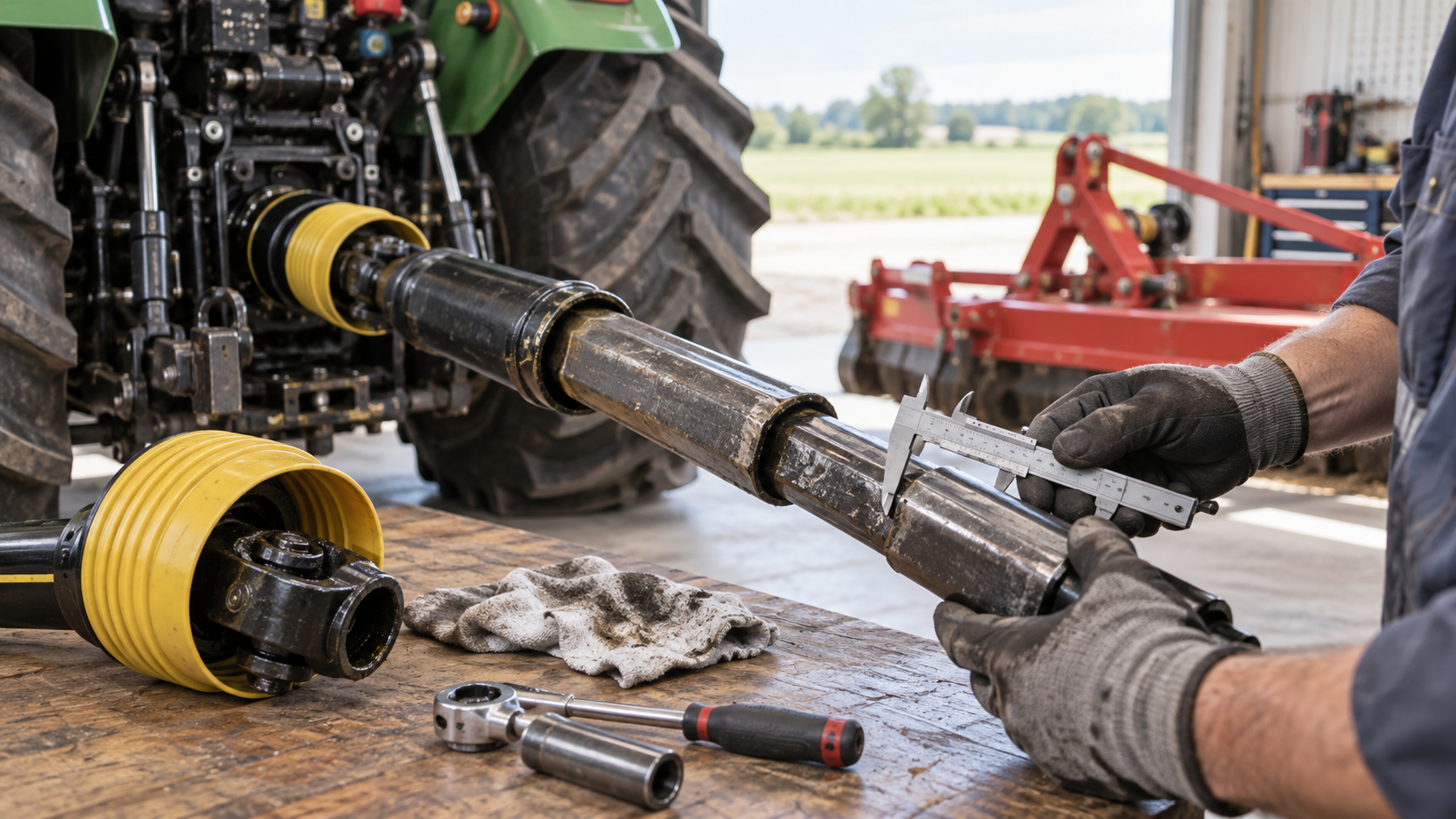
Why PTO Tube Wear Matters
PTO shaft tubes work under torque, dust, vibration, and changing shaft angles. Over time, the inner and outer tubes may wear, bend, rust, or lose their smooth sliding fit. When this happens, the shaft may not telescope as it should.
For buyers, repair teams, and machinery builders, PTO tube wear inspection is not only a maintenance task. It is also a way to prevent downtime, shaft failure, and safety risks in the field.
FAKESIsupplies precision steel tubes, seamless steel tubes, PTO drive shaft tubes, and special-shaped steel pipes for agricultural machinery and transmission systems. Because PTO tubes must fit and slide correctly, both tube quality and regular inspection are important.
Common Signs of PTO Tube Wear
Worn PTO tubes often give early warning signs. If these signs are ignored, the shaft may bind or fail during work.
Common signs include:
Loose sliding fit between the inner and outer tubes
Deep scratches or scoring marks
Rust inside the tube profile
Tube deformation or dents
Uneven wear on one side
Noise during rotation
Vibration under load
Hard telescoping movement
Visible twist marks on the tube
Damaged or missing lubrication
If the tube has heavy wear, it may still rotate, but it may not transfer torque evenly. As a result, the driveline may shake, heat up, or damage nearby parts.
What Causes Telescopic PTO Tube Binding?
Telescopic PTO tube binding happens when the inner and outer tubes cannot slide freely. This can happen during lifting, turning, or working on uneven ground. In many cases, the cause is simple, but it should be checked early.
Main causes include:
Tube profile mismatch
Too little clearance between tubes
Bent inner or outer tube
Rust or dirt inside the tube
Lack of grease
Overlapping length too short or too long
Worn or damaged tube edges
Incorrect shaft length
Wrong PTO shaft series
Damaged guard parts pressing on the shaft
Binding is serious because the PTO shaft must change length as the machine moves. If it cannot slide, strong force may pass into the tractor, implement gearbox, or universal joints.
Step-by-Step PTO Tube Wear Inspection
A clear inspection process helps buyers and maintenance teams find the real issue faster.
First, clean the tube surface. Remove dirt, oil, crop waste, and rust. Then, pull the inner and outer tubes apart if the shaft design allows it. Check both parts in good light.
Next, inspect the tube profile. Look for dents, flat spots, twisted areas, or edge wear. Special-shaped PTO tubes, such as lemon, triangle, star, or square profiles, must keep their shape to transfer torque well.
After that, check the sliding fit. The inner tube should move smoothly inside the outer tube. It should not jam, rock too much, or feel rough. If movement is uneven, check for bent sections or wear marks.
Finally, measure key dimensions. These may include profile width, height, wall thickness, tube length, and straightness. For replacement parts, compare the measurements with the original drawing or a qualified sample.
Check Lubrication and Surface Condition
Lubrication is one of the easiest ways to reduce wear. However, grease must reach the sliding tube area, not only the joint area.
During inspection, check:
Grease condition
Dry sliding marks
Rust inside the tube
Metal dust or dark grease
Rough inner surfaces
Blocked grease paths
If the tube is dry, clean it and apply the correct grease as recommended by the shaft or machine maker. Also, avoid mixing dirt with grease, because dirty grease can act like grinding paste.
Verify Shaft Length and Overlap
A PTO shaft that is too long may bottom out when the implement moves. This can cause binding and damage. On the other hand, a shaft that is too short may not have enough tube overlap. This can reduce torque transfer and increase wear.
Buyers and service teams should verify:
Closed length
Working length
Maximum extended length
Minimum overlap
Machine lift range
Turning angle
Distance between tractor PTO and implement input shaft
This check is especially important when changing tractors, implements, gearboxes, or mounting positions.
Review PTO Shaft Guard Requirements
PTO guards help reduce contact risks and protect rotating parts from debris. However, damaged or poorly fitted guards can also cause problems. They may rub against the shaft, block movement, or hide tube wear.
When reviewing PTO shaft guard requirements, buyers should confirm that the guard matches the shaft size, length, and working movement. It should cover the correct rotating areas, allow safe telescoping, and not interfere with the tube.
Check for:
Cracked guard tubes
Missing shield parts
Broken retaining chains
Guard contact with the rotating shaft
Poor guard overlap
Blocked movement during lifting
Wrong guard size for the shaft series
Always follow local safety rules, machine maker instructions, and market requirements for guards and shields. If a guard is damaged, replace it before the shaft is used again.
Troubleshooting Binding Problems
If the PTO tube binds, do not force it into use. Instead, inspect the shaft in a clear order.
Start with cleaning. Dirt, rust, or old grease may be the cause. Then check lubrication. If the tube still binds, inspect the profile and straightness.
Next, check shaft length. Move the implement through its normal range and confirm that the shaft does not bottom out or overextend. Also, confirm that the guard is not pressing on the shaft.
If binding remains, check whether the inner and outer tubes belong to the same series. A wrong tube match can look close but fail under load. In this case, replacement may be safer than repair.
When to Replace the PTO Tube
Some tube problems can be solved by cleaning and lubrication. However, replacement is often needed when the tube is badly worn or damaged.
Replace the tube if you find:
Deep wear marks
Bent or twisted tube sections
Cracked tube body
Severe rust inside the profile
Loose fit that causes vibration
Binding after cleaning and lubrication
Wrong series or profile match
Poor torque contact area
For B2B buyers, it is better to replace a high-risk tube before it causes field failure. This is especially true for heavy-duty farm, forestry, or engineering machinery.
How FAKESI Supports PTO Tube Buyers
FAKESI focuses on precision steel tubes, seamless steel tubes, PTO drive shaft tubes, and profiled steel tubes. Its product range includes special-shaped tubes used in agricultural transmission systems, including triangle, lemon, star, square, rectangular, and custom profiles.
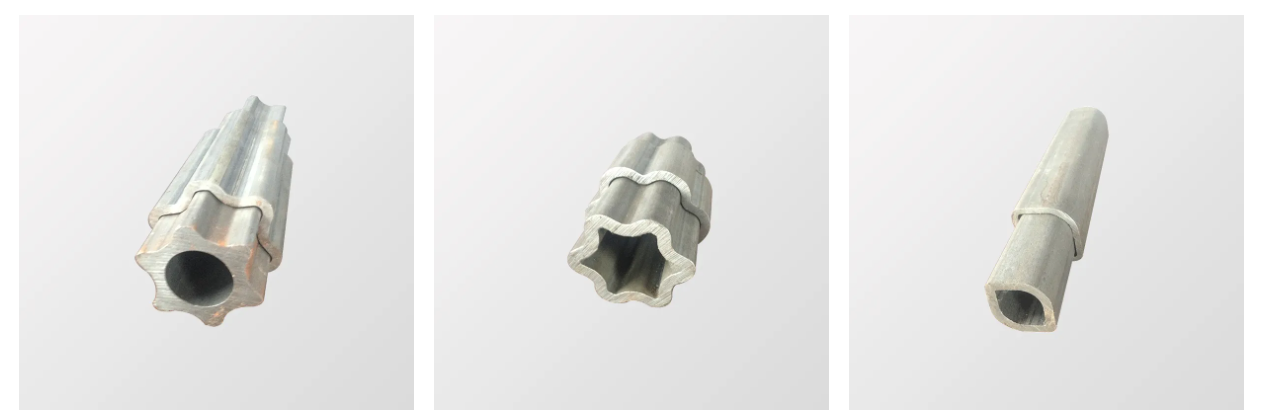
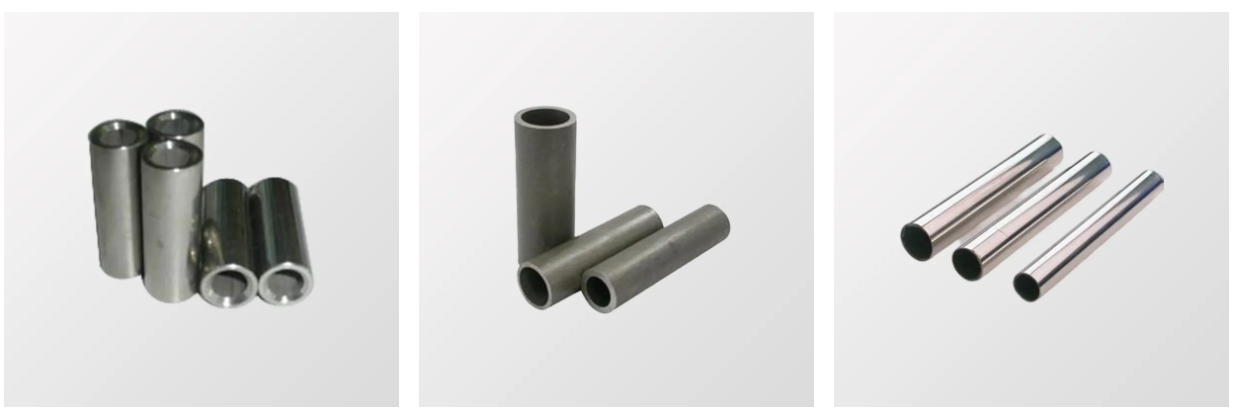
For PTO tube sourcing, buyers should share drawings, samples, material grades, wall thickness, tolerance needs, and application details. This helps confirm the right tube profile and series match before production.
Final Inspection Checklist
Before using or ordering a PTO shaft tube, check:
Tube wear level
Sliding fit
Tube profile shape
Inner and outer tube match
Rust and surface damage
Lubrication condition
Shaft length and overlap
Guard fit and condition
PTO shaft series
Application load and torque needs
With careful inspection and correct tube selection, buyers can reduce telescopic PTO tube binding, extend shaft life, and improve machine reliability in the field.


