
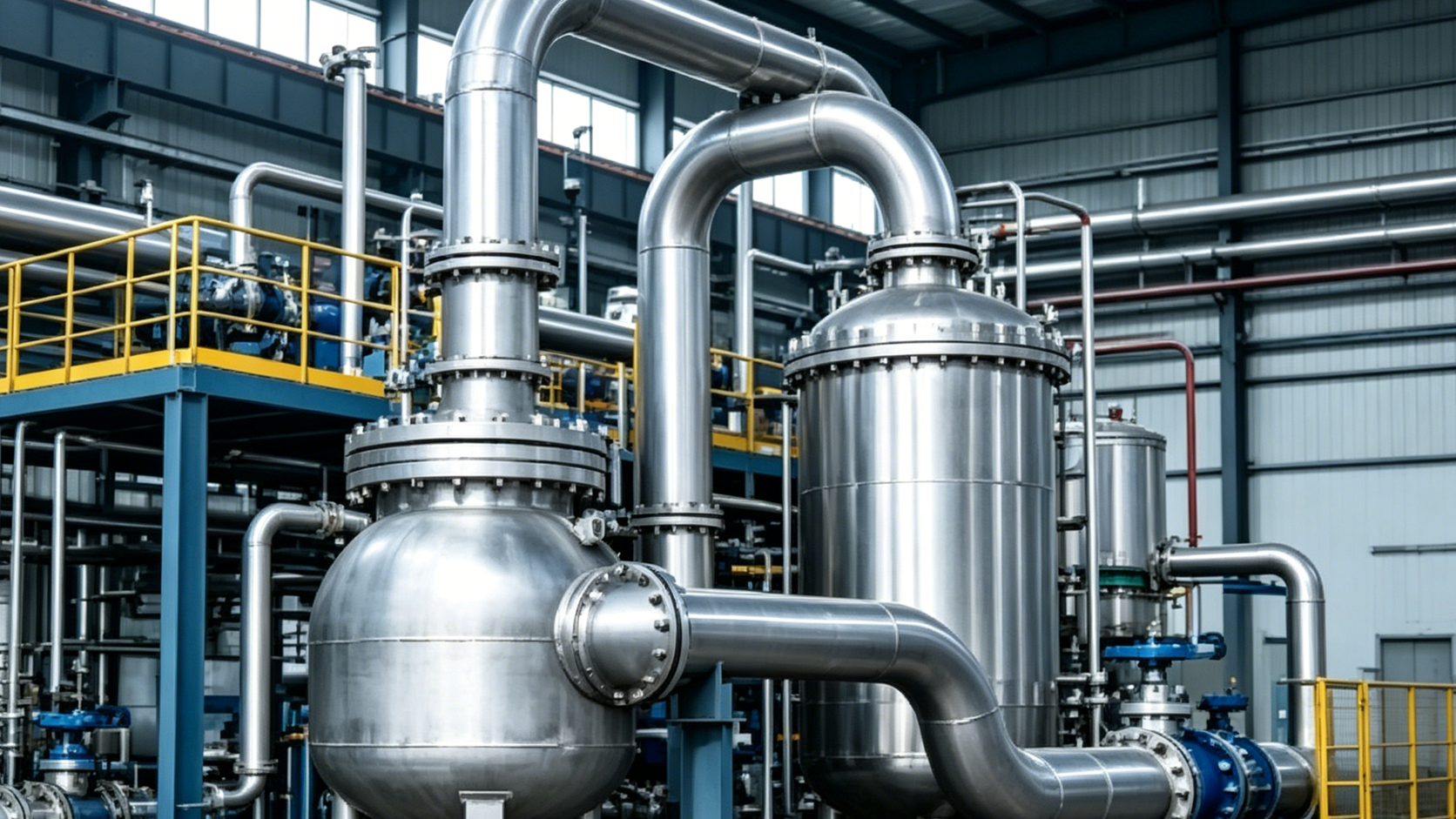
In heavy-duty industrial engineering, standard piping is simply not enough. When a system needs to transport volatile liquids or gases under intense force, a single weak point can cause a catastrophic failure. This is exactly why high-pressure seamless steel pipes are the industry standard for demanding environments. Because they are made from one solid piece of metal with no welded seams, these pipes offer unmatched safety, durability, and performance.
In this ultimate guide, we will break down the essential materials, key technical specifications, and primary applications of these high-strength tubes. We will also look at how choosing the right manufacturing partner can save your business time and money.
Common Materials and Their Advantages
Selecting the right metal grade is the first and most critical step in any piping project. According to our steel pipe material guide, the most common options include carbon steel, alloy steel, and stainless steel. Each material offers distinct benefits depending on the working environment.
-
High-Quality Carbon Steel: This is the most common material for general high-pressure systems. It is highly budget-friendly, incredibly strong, and easy to weld. For indoor machinery and high-stress structural frames, carbon steel is the reliable workhorse of the industry.
-
Alloy Steel: By adding elements like chromium and molybdenum, alloy steel gains extra resistance to extreme heat and wear. This material is essential for power plants and refineries where pipes must remain strong even when glowing red.
-
Stainless Steel: If your system handles water, salt, or harsh chemicals, stainless steel is the best solution. Its natural chromium layer protects the pipe from rust and corrosion, ensuring that the contents inside do not become contaminated.
Specifications and Standards to Know
To ensure global safety, high-pressure pipes must meet strict international standards. When you are ordering raw materials, you should look for specific certifications based on your region and industry.
For example, American standards like ASTM A106 are used for high-temperature carbon steel pipes, while API 5L is the gold standard for oil and gas pipelines. European manufacturers often look for DIN or EN standards to ensure identical quality across borders.
In addition to these standards, you must pay close attention to dimensional specifications. This includes the outer diameter, wall thickness, and straightness. For high-pressure operations, having a uniform wall thickness is vital. If one side of the pipe is thinner than the other, the internal pressure will eventually cause that weak spot to burst.
Typical Applications in Oil, Gas, and Chemical Industries
Because of their unique seamless design, these pipes are used in the world's most dangerous and demanding fields.
1. Oil and Gas Exploration
Deep underground or out at sea, drilling equipment faces immense pressure from the earth. Seamless steel pipe applications include drill rods, casing pipes, and long-distance transmission lines that move crude oil safely across continents without leaking.
2. Chemical Processing Plants
Chemical plants move highly corrosive and hot fluids every day. Seamless tubes ensure that these hazardous liquids remain sealed inside the system, protecting both the workers and the environment from toxic spills.
3. Hydraulics and Power Generation
From massive construction cranes to steam boilers in power plants, high-pressure tubing is used to transfer immense physical power. The smooth internal walls of seamless tubes reduce friction, allowing fluids to move with maximum efficiency.
Real-World Success: FAKESI’s High-Pressure Solutions
Manufacturing a perfect high-pressure pipe requires a blend of heavy force and intelligent technology. FAKESI (Wuxi Jiangbo Intelligent Technology) is a global leader in this field. By visiting https://www.wxjiangbo.com/, you can see how advanced cold-drawing automation helps create tubes that meet the tightest global tolerances.
Case Study: Solving High-Torque Deformation for an Italian Client
A major automotive and agricultural parts manufacturer in Italy was facing a serious problem with their drive shaft production. They were using standard seamless pipes, but the material was deforming under high torque, leading to part failures and slow production. Furthermore, they had to spend a lot of money on extra grinding and polishing to make the pipes fit.
After partnering with FAKESI, we provided a specialized solution:
-
Precision Engineering: We delivered 25 tons of high-precision, cold-drawn PTO drive shaft tubes with exact, uniform tolerances.
-
No More Waste: Because our pipes arrived ready to use, the client eliminated their secondary machining process entirely. This immediately lowered their labor and energy costs.
-
Proven Durability: The tubes handled high torque easily without any deformation. As a result, the client has maintained a stable, failure-free production line for over two years.
How to Choose the Right Seamless Steel Pipe for Your Project
When you are ready to purchase, do not just look for the lowest price. Instead, consider these three factors to make a smart choice:
-
Analyze the Pressure and Temperature: High heat requires alloy steel, while standard temperatures can be handled by carbon steel.
-
Evaluate the Environmental Risks: If the pipe will be outside or near chemicals, invest in stainless steel to prevent rust.
-
Demand Material Test Reports (MTRs): A reliable supplier like FAKESI will always provide official paperwork proving the chemical makeup and strength of the steel before it leaves the factory.
Conclusion
High-pressure seamless steel pipes are the backbone of modern heavy industry. By understanding your material options, checking international standards, and choosing an experienced partner, you can ensure the absolute safety and efficiency of your next build.
Are you ready to upgrade your supply chain with high-precision steel tubing? Check our high-pressure steel pipe catalog now at FAKESI by visiting https://www.wxjiangbo.com/ and let our engineering team help you find the perfect fit today!


