
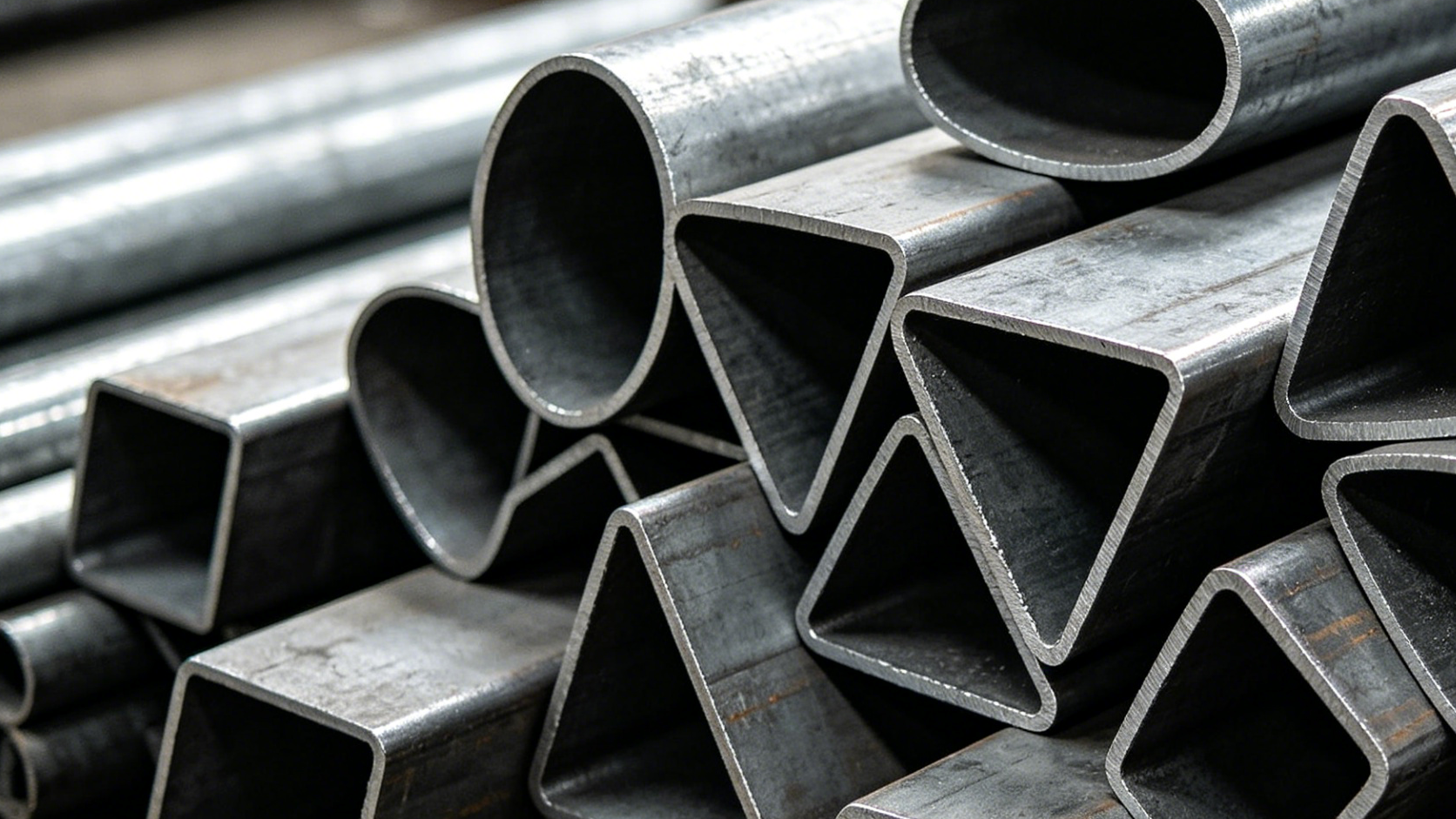
In modern manufacturing, selecting the right shape for a steel pipe is only half the battle. To ensure a machine operates safely and efficiently, you must also choose the correct material grade. This is especially true for a cold drawn special shaped steel tube. The choice of metal must perfectly match the intense pulling force of the cold-drawing process while meeting the mechanical needs of the final application.
By using high-purity metals with dense structures, the cold-drawing process further optimizes the performance of the steel. In this guide, we will analyze the most common materials used for special profiles and look at how their unique properties serve different industries.
1. Carbon Steel: Excellent Flexibility and Value
Carbon steel is the most common foundation for special shaped tubing. It is highly cost-effective and offers excellent plasticity, making it very easy to shape during the cold-drawing process.
-
20# Carbon Steel: This grade has low carbon content, which makes it very soft and easy to form into complex shapes like triangles or ovals. It is widely used for ordinary mechanical parts, brackets, and frames where moderate strength is enough.
-
45# Carbon Steel: With a higher carbon content, 45# steel offers greater hardness and strength. It is a popular choice for structural components that need to carry heavier loads without bending.
In addition to standard carbon steel, low-alloy grades like Q355B (Q345B) and 16Mn are highly valued. These materials offer high strength, excellent impact resistance, and strong fatigue resistance. As a result, they are perfectly suited for heavy-duty applications such as construction machinery, agricultural drive shafts, and vehicle chassis frames.
2. Alloy Steel: Built for High-Torque and Precision
When standard carbon steel cannot handle the stress of a machine, alloy steel becomes essential. The most common grades in this category include 40Cr and 20CrMo.
By combining the cold-drawing process with proper heat treatment, these materials achieve a massive boost in both hardness and toughness. They are designed specifically for precision machinery, high-pressure hydraulic components, and transmission shafts. The dense grain structure of alloy steel ensures that the finished cold drawn special shaped steel tube can handle intense twisting forces (torque) without cracking.
3. Stainless Steel: The Answer to Harsh Environments
For highly specialized industries, manufacturers can customize special profiles using 304 or 316 stainless steel. These materials contain high levels of chromium and nickel, which provide two major benefits:
-
Extreme Corrosion Resistance: They do not rust when exposed to water, salt, or chemicals.
-
High-Temperature Stability: They maintain their structural strength even in intense heat.
These properties make stainless steel profiles vital for chemical processing plants, food production lines, and high-end architectural designs.
FAKESI: Maximizing Material Performance with Intelligent Technology
No matter which material you choose, the quality of the raw metal is critical. At FAKESI (Wuxi Jiangbo Intelligent Technology), all materials undergo strict screening to ensure low impurity content. By visiting our website, you can see how our intelligent cold-drawing technology refines the steel grain structure, allowing every custom profile to reach its full performance potential.
Case Study: Overcoming Torque Failures for an Italian Client
Choosing the right material grade can completely transform a product's success. For example, a major automotive and agricultural parts manufacturer in Italy was facing a serious challenge with their agricultural drive shafts. They were using standard tubing that deformed easily under high torque, leading to rapid wear and field failures.
After partnering with FAKESI, we provided a specialized material and profile solution:
-
Material Optimization: We selected a high-purity, impact-resistant steel grade perfectly suited for the client's high-torque requirements.
-
Precision Cold Drawing: We manufactured 25 tons of specialized PTO drive shaft tubes with ultra-tight tolerances.
-
Cost Reduction: Because our manufacturing process is so exact, the client was able to eliminate "secondary machining" (extra grinding and polishing) from their factory. This immediately lowered their labor and operational costs.
For over two years, this Italian client has maintained completely stable production with zero material deformations or quality failures.
Conclusion
From cost-effective carbon steel to high-performance alloy and stainless steel, the material behind a cold drawn special shaped steel tube defines its future durability. By matching the right metal grade to your specific industrial environment, you can build products that are stronger, safer, and longer-lasting.
If you need help choosing the perfect material or require custom-engineered steel profiles for your business, visitFAKESI. Our engineering team is ready to deliver the high-precision steel solutions you need to succeed.


