
When factories produce steel tubes through hot rolling or cold drawing, the raw pipes are rarely perfectly straight. Internal stress, cooling temperatures, and handling often leave slight bends or twists in the metal. In basic construction scaffolding, a tiny curve might not cause any harm. However, in precision industries like automotive drive shafts or hydraulic cylinders, a bent pipe is completely useless.
To fix this issue, manufacturers must pass the metal through a highly specialized correction process. Steel pipe straightening removes bends, fixes ovality, and ensures that the tubing meets strict engineering standards. This guide explains how this mechanical process works and why it protects your manufacturing budget.
How the Steel Pipe Straightening Process Works
Straightening steel requires a mix of heavy mechanical pressure and exact calibration. Modern factories do not fix pipes manually. Instead, they use multi-roll straightening machines that apply continuous force along the tube.
The production sequence follows a clear path on the factory floor:
-
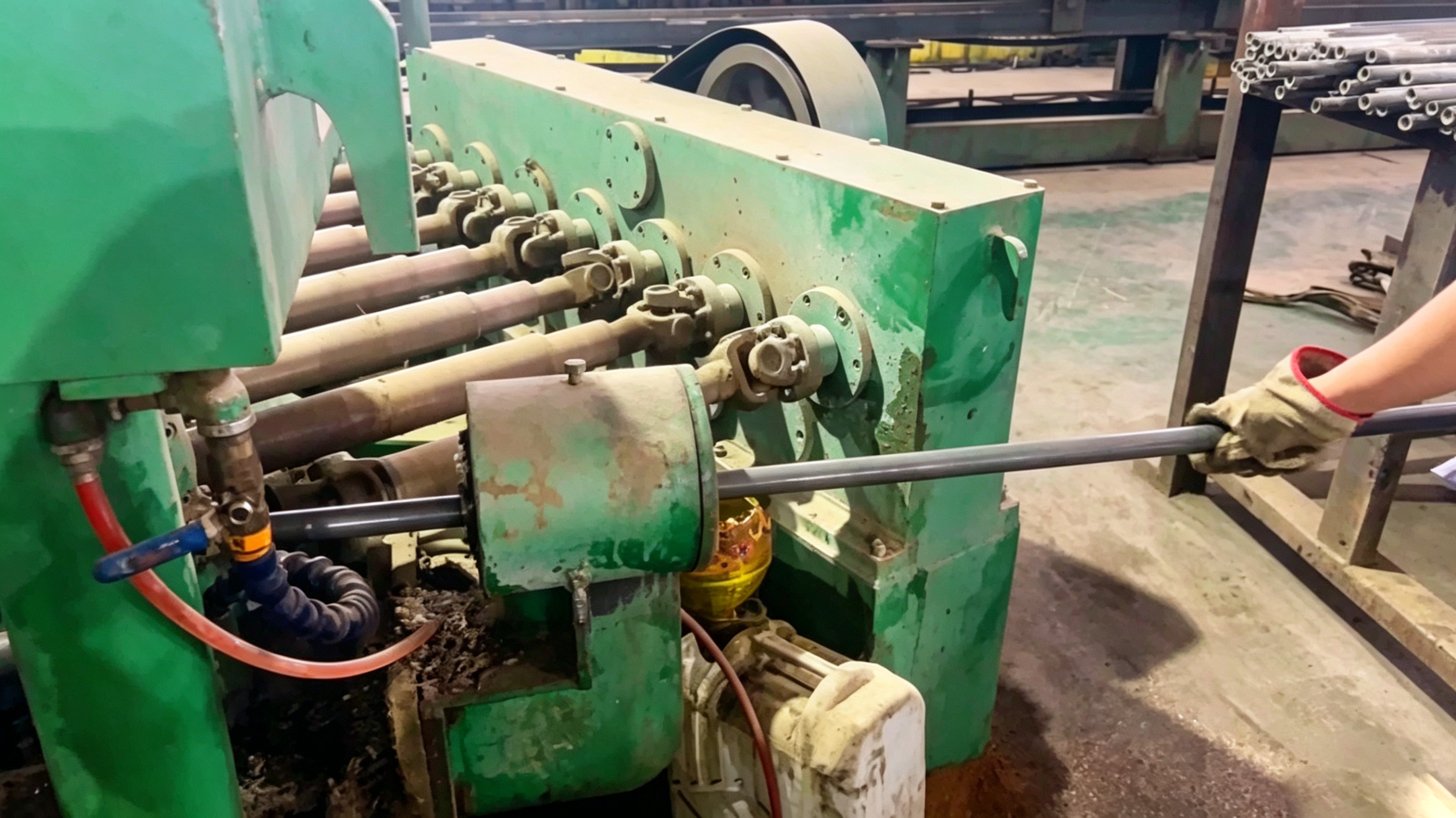
Feeding the Machine: First, a factory operator takes a bent steel tube and aligns it with the entry guide of a heavy-duty, green straightening unit. The motorized rollers immediately grip the metal pipe to pull it forward into the machine safely.
-
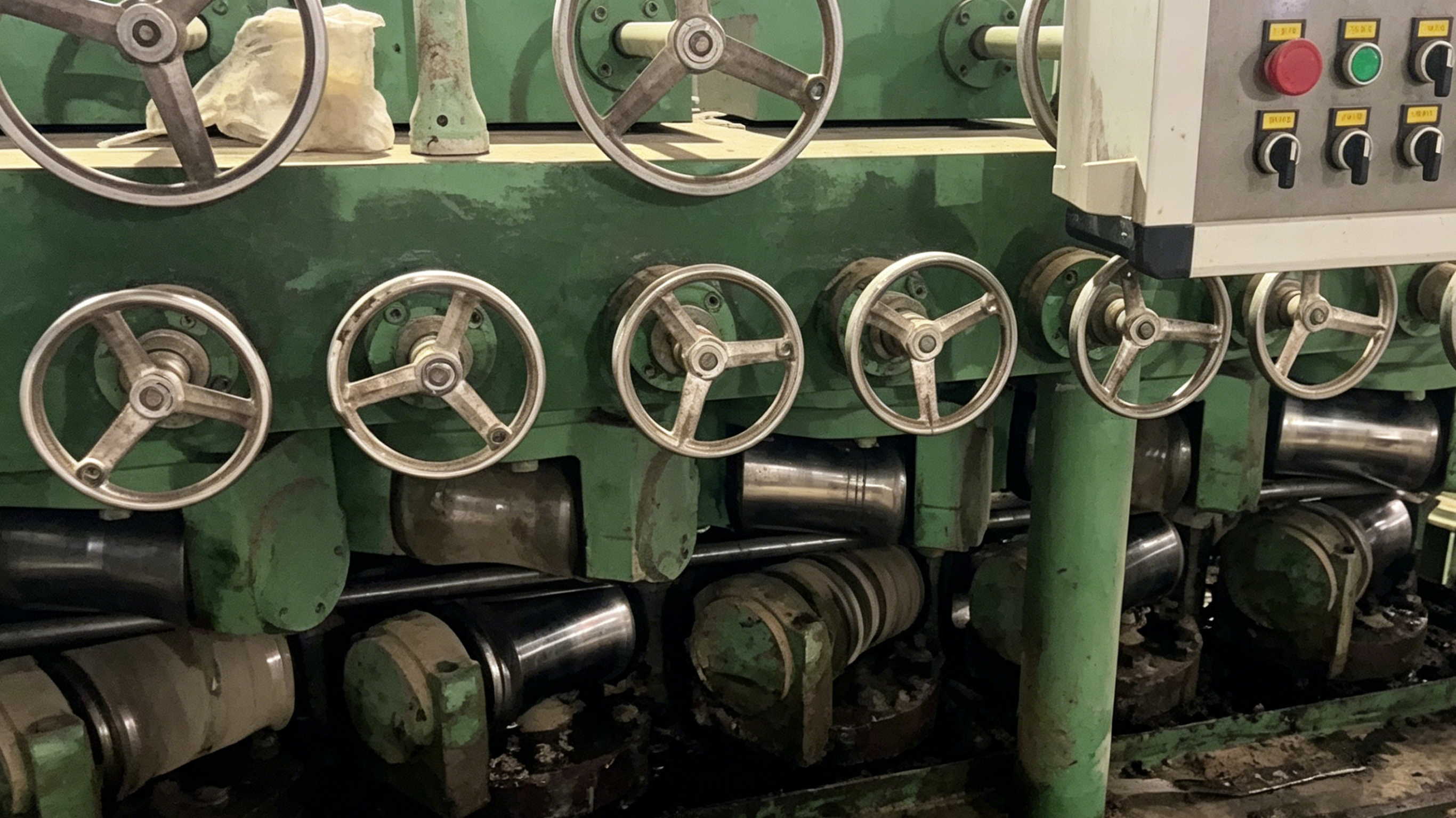
Adjusting the Pressure: Next, the machine passes the tube through a series of cross-angled rollers. Operators adjust these rollers using a series of circular handwheels mounted on top of the machine frame, right next to the electronic control panel. These settings change the gap and angle to match the specific diameter of the pipe.
-
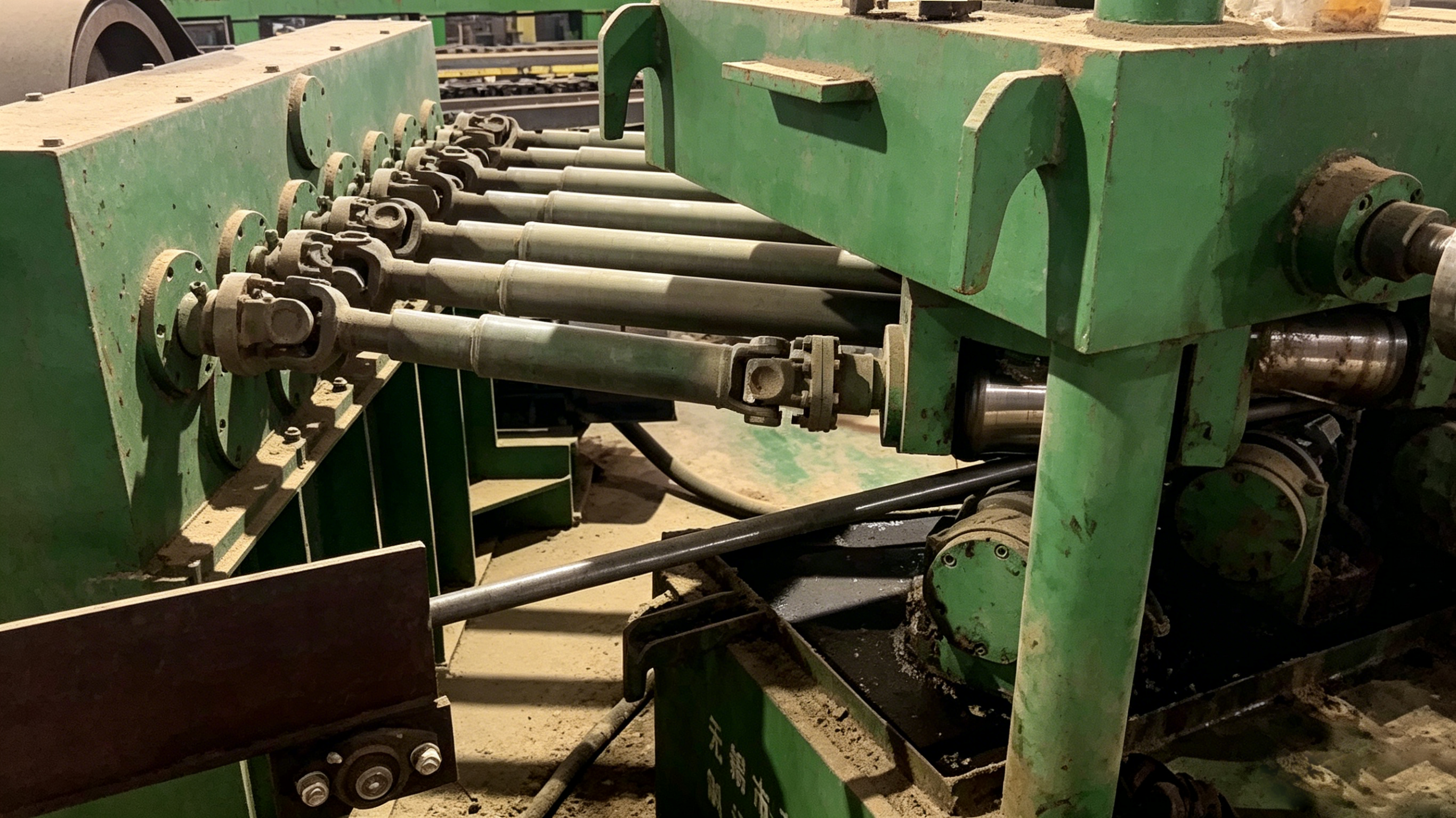
Correcting the Bends: Finally, heavy, articulated universal drive shafts spin the curved rollers with immense power. As the steel tube rotates and slides quickly through the rollers, the high mechanical pressure squeezes out all internal wavy defects and structural bends.
Key Benefits of Precision Pipe Straightening
Investing in high-quality mechanical straightening brings immediate structural advantages to your raw materials:
-
Eliminates Ovality: When tubes are pulled or cooled, they can become slightly oval instead of perfectly round. The cross-roll machine compresses the outer walls evenly to restore a perfect circular profile.
-
Enables Smooth Automation: Automated robotic arms and CNC lathes require perfectly straight tubes to grab them correctly. Straight pipes prevent machine jams and keep your production line running without sudden stops.
-
Lowers Material Waste: If a tube is crooked, it will vibrate during high-speed cutting or drilling. Straightening the steel first ensures smooth machining and eliminates costly part rejections.
FAKESI: Delivering Flawless Steel Tubing Globally
Sourcing perfectly straight, high-tolerance components requires a supplier with advanced factory equipment. FAKESI (Wuxi Jiangbo Intelligent Technology) focuses on world-class precision seamless tubes and custom geometric profiles. By visiting our high-precision steel tubing factory, international buyers can see how our advanced multi-roll machinery ensures absolute straightness across large volume orders.
Case Study: Solving Drive Shaft Failures for a Mechanical Client
The value of exact straightness is clear in real-world applications. A major industrial client was purchasing seamless tubes to build specialized mechanical drive shafts. Unfortunately, their previous supplier delivered tubes with minor, hidden bends along the body.
When these shafts spun under high operational torque, the slight curves caused severe balance issues. The machinery began to vibrate violently, which quickly destroyed internal rubber seals and bearings. This forced the client to waste time and money on secondary manual fixes.
Fortunately, FAKESI provided a professional material solution. We processed high-purity steel alloys through our advanced cold-drawing benches and multi-roll straightening systems. We delivered 25 tons of precision tubing with guaranteed straightness and uniform wall thickness. Because our pipes arrived ready for immediate assembly, the client eliminated their extra testing steps entirely. This saved them substantial labor costs and ensured failure-free operation in the field.
Conclusion
Steel pipe straightening is a critical factory step that directly impacts the safety and efficiency of your final products. By choosing raw materials that pass through calibrated multi-roll systems, you safeguard your automated machinery from jams and protect your parts from high-torque vibrations.
If you are looking for a reliable global supplier that understands strict engineering standards and delivers world-class precision steel profiles, look no further than FAKESI. Visit our website today to explore our processing capabilities and find the ideal tubing solution for your next project.


