ASTM A519 Mechanical Tubing: Specs & Sourcing Checklist | FAKESI
News Details
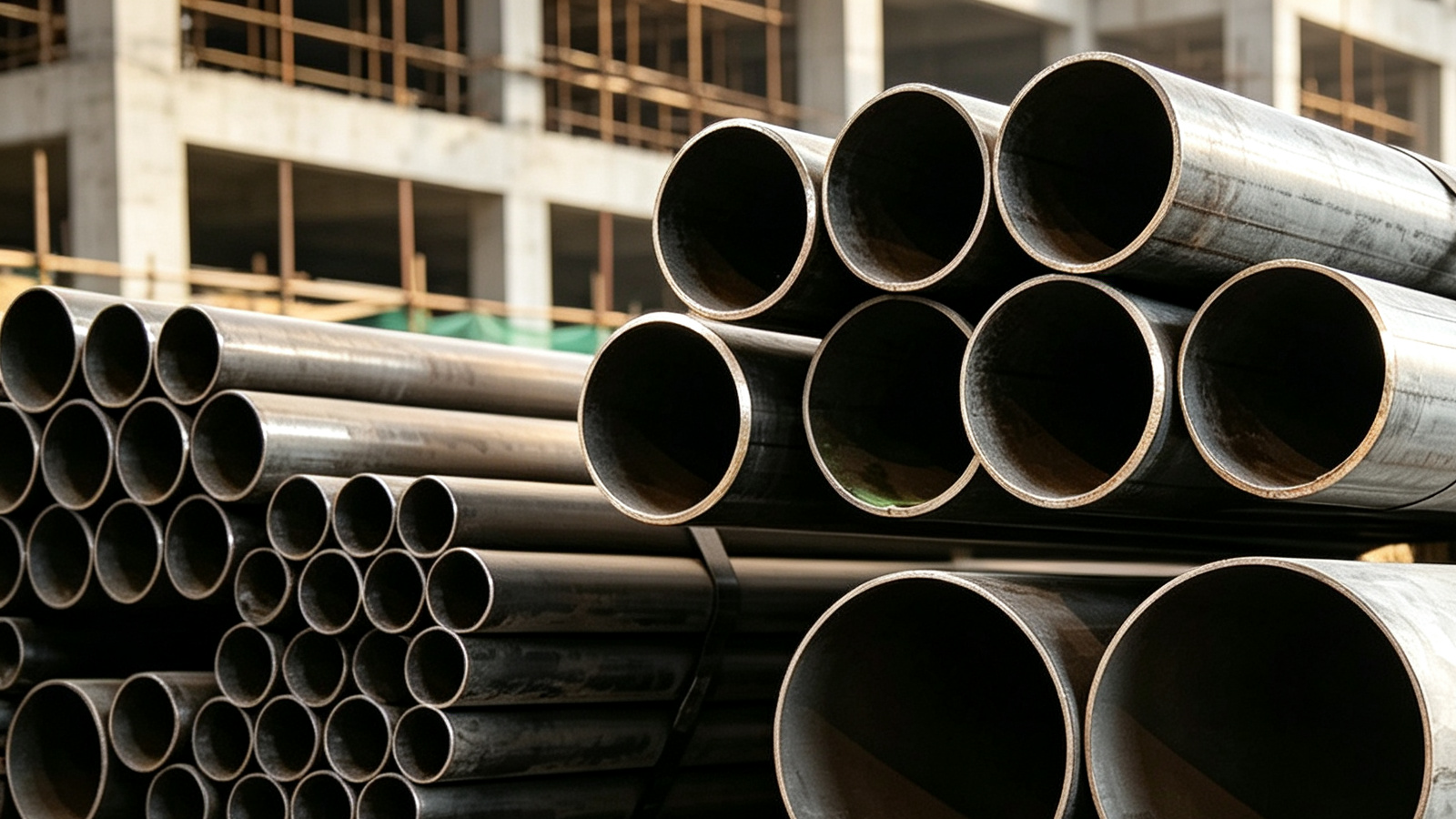
Buying steel tubing for heavy-duty applications can feel overwhelming. You must balance strict engineering needs, tight lead times, and budget limits. When your parts demand high structural strength, smooth finishes, and exact tolerances, standard pipe simply will not work. That is where ASTM A519 mechanical tubing enters the picture.
This guide breaks down what makes this specification unique. You will learn the differences between popular carbon and alloy grades like 1020 mechanical tubing and 4140 mechanical tubing. Plus, you will get a handy sourcing checklist to help you partner with trusted suppliers like FAKESI.
What Is ASTM A519 Mechanical Tubing?
ASTM A519 is the standard specification for seamless carbon and alloy steel mechanical tubing. Unlike pressure piping that carries liquid or gas, mechanical tubing carries physical loads. Engineers design it for machining, structural support, bushings, sleeves, rollers, and hydraulic cylinders.
Because it is seamless, ASTM A519 tubing has no welded seam. Manufacturers make it by piercing a solid steel billet at high heat. This continuous metal structure gives the tube uniform wall strength and reliable performance under high pressure or heavy vibration.
Common Grades: 1020 vs. 4140 Mechanical Tubing
The ASTM A519 specification covers a broad range of carbon and alloy steel grades. Choosing the right material grade ensures your parts last without overspending.
1. 1020 Mechanical Tubing (Low Carbon Steel)
-
Chemical Profile: Low carbon content (0.18% to 0.23%) with added manganese.
-
Key Characteristics: Highly ductile, easy to cold form, and very easy to weld.
-
Best Use Cases: Spacers, light-duty bushings, automotive structural frames, and machinery components that require moderate strength.
-
Why Choose It?1020 mechanical tubing offers an excellent balance of low cost and solid machinability. It is ideal for high-volume parts that do not face extreme stress.
2. 4140 Mechanical Tubing (Chromium-Molybdenum Alloy Steel)
-
Chemical Profile: Medium carbon content (0.38% to 0.43%) enriched with chromium and molybdenum.
-
Key Characteristics: Exceptional tensile strength, high fatigue resistance, superior toughness, and excellent response to heat treatment.
-
Best Use Cases: Heavy-duty hydraulic cylinder barrels, drive shafts, oil drilling equipment, bushings, and high-stress structural parts.
-
Why Choose It? When standard carbon steel fails under dynamic loads, 4140 mechanical tubing delivers the required muscle. You can quench and temper it to achieve outstanding hardness and wear resistance.
Key Finishing Options and Thermal Conditions
Beyond chemistry, you must select the right thermal and mechanical condition for your tubing. The finish changes the dimensional tolerances, yield strength, and surface roughness.
-
Hot-Finished (HF): Formed at high temperatures. It offers lower cost and thicker walls, but it has broader dimensional tolerances and a rougher surface scale.
-
Cold-Drawn (CD): Pulled through a die at room temperature. This process delivers bright surface finishes, tight outer diameter tolerances, and higher yield strength.
-
Stress-Relieved (SR): Heated after cold drawing to remove internal stress. This process keeps the tube straight during machining and prevents warping.
-
Annealed (A) / Normalized (N): Heat treatments that soften the steel for maximum bending or refine the grain structure for consistent toughness.
B2B Sourcing Checklist for Purchasing ASTM A519 Tubing
Ordering seamless tubing requires attention to detail. Missing one specification on your purchase order can cause long production delays or scrap material. Use this simple checklist when requesting quotes from your supplier:
-
Steel Grade and Chemistry
-
Select the specific material grade needed for your application, such as 1020, 1026, 4130, or 4140.
-
-
Manufacturing and Thermal Condition
-
Choose the appropriate finish condition, such as Hot-Finished (HF) or Cold-Drawn (CD).
-
Specify any required heat treatments, such as Stress Relieved (SR), Annealed (A), or Normalized (N).
-
-
Exact Dimensions and Tolerances
-
Define your required dimensions clearly: Outer Diameter (OD), Inner Diameter (ID), and Wall Thickness (WT).
-
Include machining allowances if your team plans to hone or machine the tube post-purchase.
-
-
Quality Control and Inspection Testing
-
Determine if non-destructive testing (NDT) or hydrostatic testing is required.
-
Request a Mill Test Certificate (MTC) that complies with EN 10204 3.1 standards.
-
-
Packaging and Shipping Logistics
-
Specify protective treatments, such as end caps, beveling, or anti-rust oil coating.
-
Confirm export packaging needs, such as wooden crates or secure steel strapping for ocean freight.
-
Why Source ASTM A519 Tubing fromFAKESI?
At FAKESI, we understand that supply chain reliability keeps your factory floor running smoothly. We supply a complete range of seamless carbon and alloy mechanical tubing tailored to your exact manufacturing requirements.
-
Extensive Stock Range: We stock popular grades from carbon 1020 mechanical tubing to heavy-duty 4140 mechanical tubing in various wall thicknesses.
-
Strict Quality Control: Every shipment undergoes rigid dimensional inspection, wall thickness verification, and material certification.
-
Custom Processing: Need short cut-lengths, specific chamfers, or special protective packaging? FAKESI delivers ready-to-machine tubing directly to your plant.
-
Global Shipping Support: Our export team ensures proper bundle wrapping, rust-inhibitor oil coatings, and export documentation to protect your order during transit.
Streamline Your Mechanical Tubing Procurement Today
Navigating raw material procurement does not have to be difficult. By understanding the mechanical differences between carbon and alloy grades and following our sourcing checklist, you can protect your operation from costly downtime.
Ready to source high-performance ASTM A519 mechanical tubing for your next project? Contact the technical sales team at FAKESI today to request a quote, check inventory levels, or discuss custom processing requirements.


