
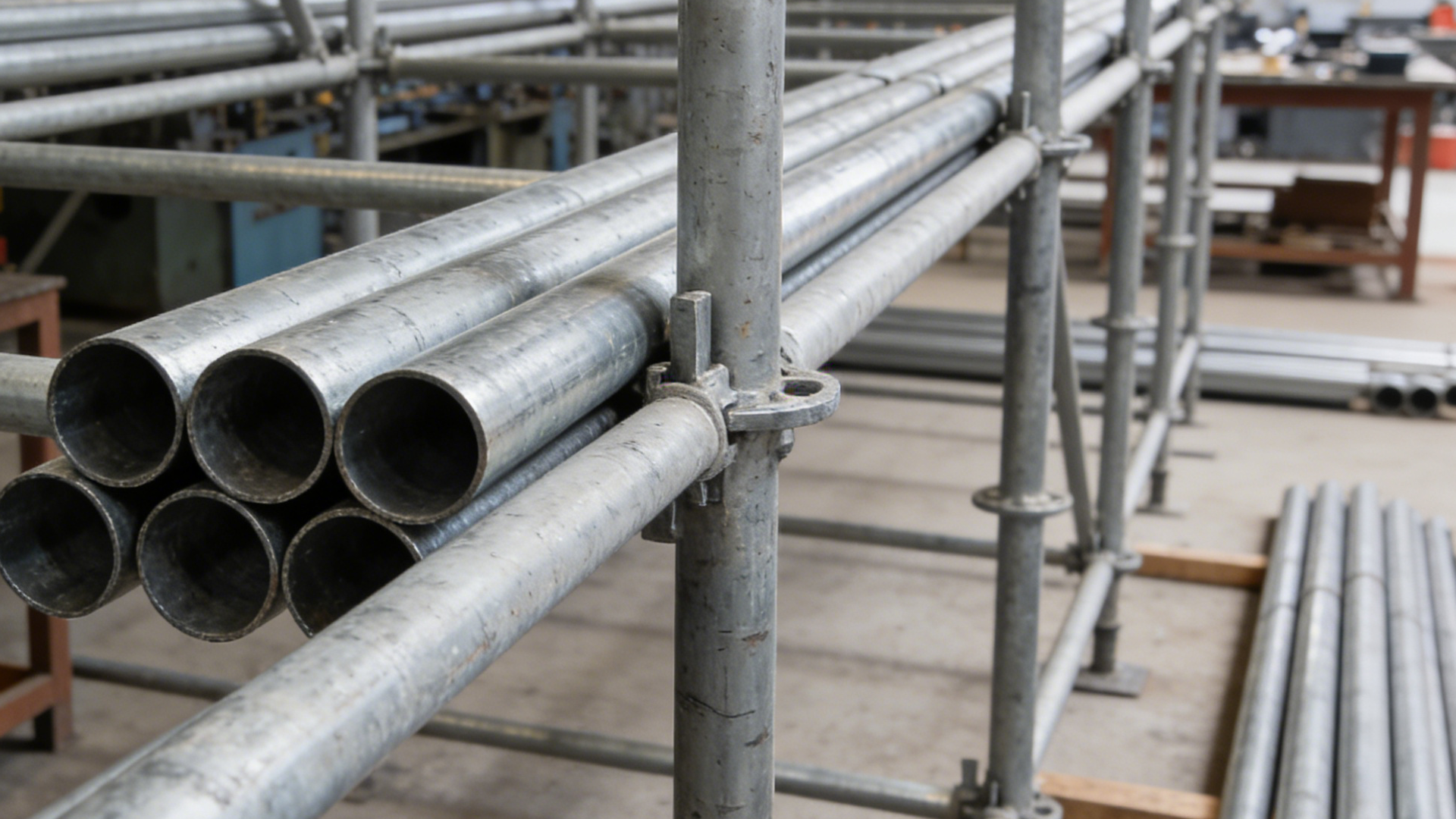
In the world of modern manufacturing, stainless steel tubing stands out as a top choice for strength and durability. Whether you are building a high-pressure hydraulic system or a simple handrail, picking the right material is vital. This guide covers everything you need to know about selecting, sizing, and sourcing this essential hardware.
Why Choose Stainless Steel Tubing?
Stainless steel is famous for its ability to fight off rust and heat. Because it contains chromium, it forms a protective layer that heals itself. This makes stainless steel tubing the go-to option for industries like food processing, medicine, and oil and gas.
Beyond just staying shiny, a stainless steel tube is incredibly strong. It can handle high pressure and extreme cold without cracking. Since it lasts so long, it often ends up being cheaper over time than other materials that need frequent replacing.
Understanding the SS Steel Tube
When people talk about an SS steel tube, they are usually referring to its chemical makeup. "SS" is simply short for stainless steel. However, not all tubes are the same. Most fall into two main categories:
-
Welded Tubing: This starts as a flat strip of steel that is rolled into a circle and welded shut. It is often more budget-friendly.
-
Seamless Tubing: This is made by piercing a solid bar of steel. It has no seams, which makes it much better for holding high-pressure liquids or gases.
Common Stainless Steel Tube Diameters
Finding the right fit is the most important part of your project. If the size is off by even a tiny bit, your system might leak or fail. Stainless steel tube diameters are usually measured by their Outside Diameter (OD) and their wall thickness.
Common sizes include:
-
Small Bore: Used for precise instruments and medical tools.
-
Standard Industrial: Sizes like 1/2 inch, 1 inch, and 2 inches are common in factories.
-
Large Diameter: Used for heavy-duty exhaust or water transport.
Keep in mind that "tubing" is measured by the actual outside size, while "pipe" uses a different naming system. Always double-check your specs before you buy.
Finding Reliable Stainless Steel Tubing Suppliers
Your project is only as good as the material you use. That is why choosing the right stainless steel tubing suppliers is a critical step. A good supplier should offer more than just a low price; they should offer peace of mind.
When looking for a partner, check for:
-
Material Certifications: Can they prove the steel is the grade they say it is?
-
Stock Variety: Do they carry a wide range of shapes, like round, square, or oval?
-
Cutting Services: Can they cut the stainless steel tube to the exact length you need?
-
Shipping Speed: How fast can they get the metal to your job site?
Maintenance and Care for Stainless Steel Tubing
Even though it is tough, stainless steel tubing still needs a little love. To keep it in top shape, you should clean it regularly with mild soap and water. Avoid using steel wool or harsh bleach, as these can scratch the surface and cause rust spots to form.
If you are using the tubing in a salty environment—like near the ocean—you might want to choose a higher grade, such as 316 stainless steel. This type has extra ingredients that help it survive in harsh, salty air.
Conclusion
From small parts in a lab to massive frames in a factory, stainless steel tubing is the backbone of modern industry. By understanding the different types of SS steel tube options and knowing how to measure stainless steel tube diameters, you can make a smart choice for your next build. Always work with trusted stainless steel tubing suppliers to ensure you get the quality your business deserves.


